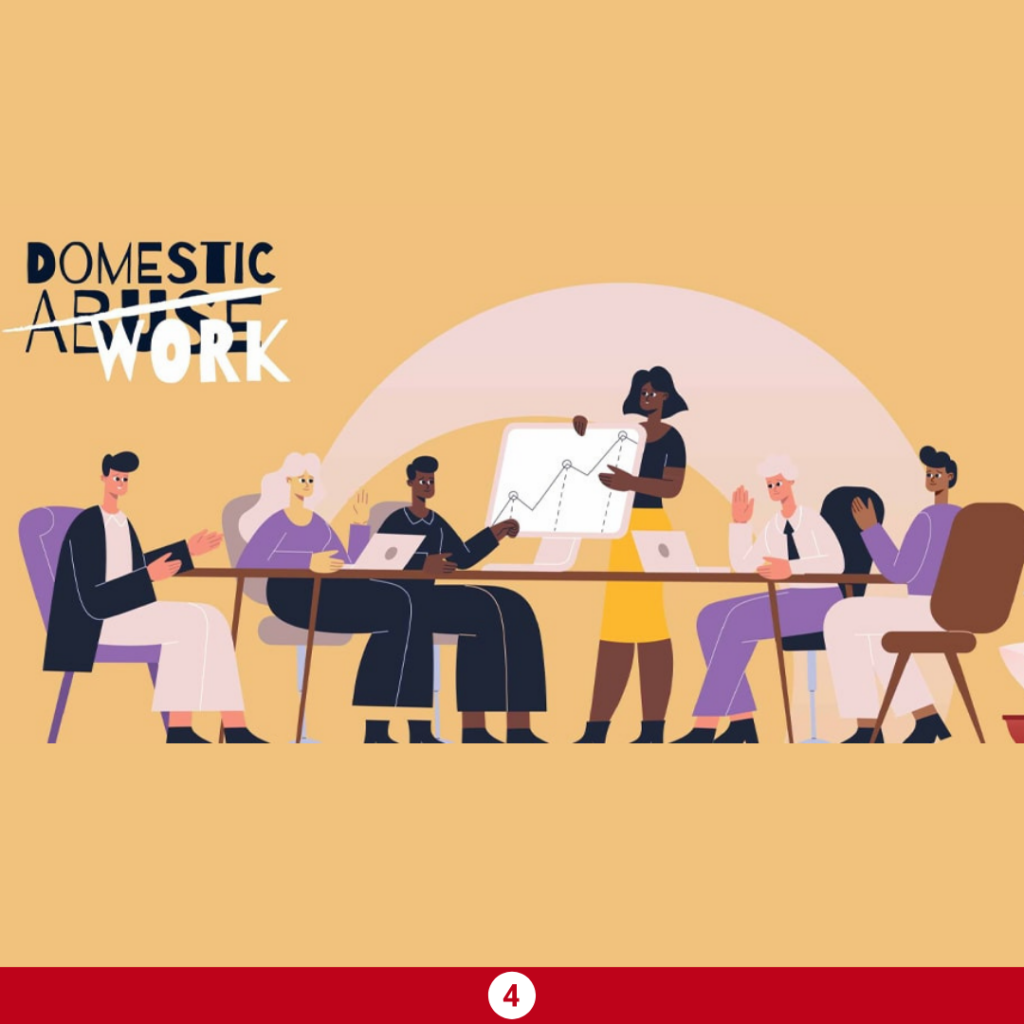
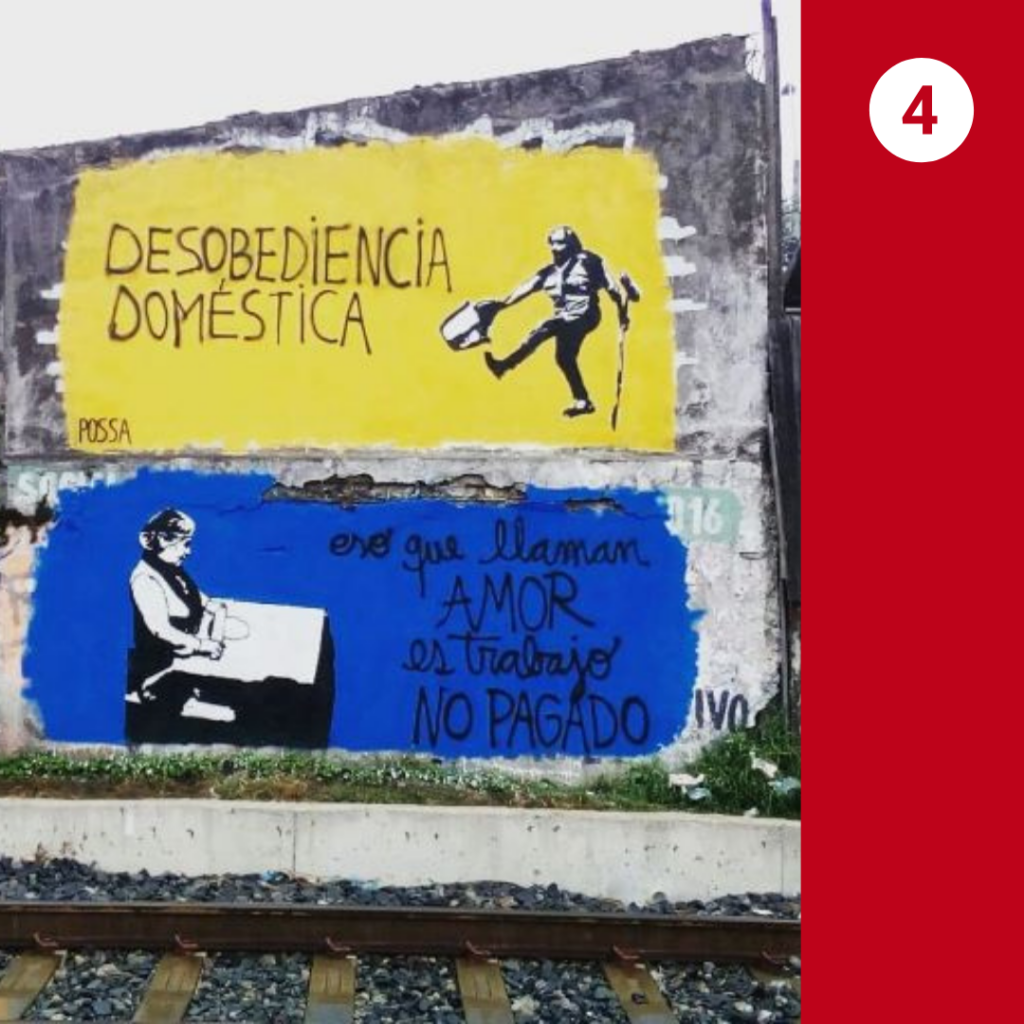
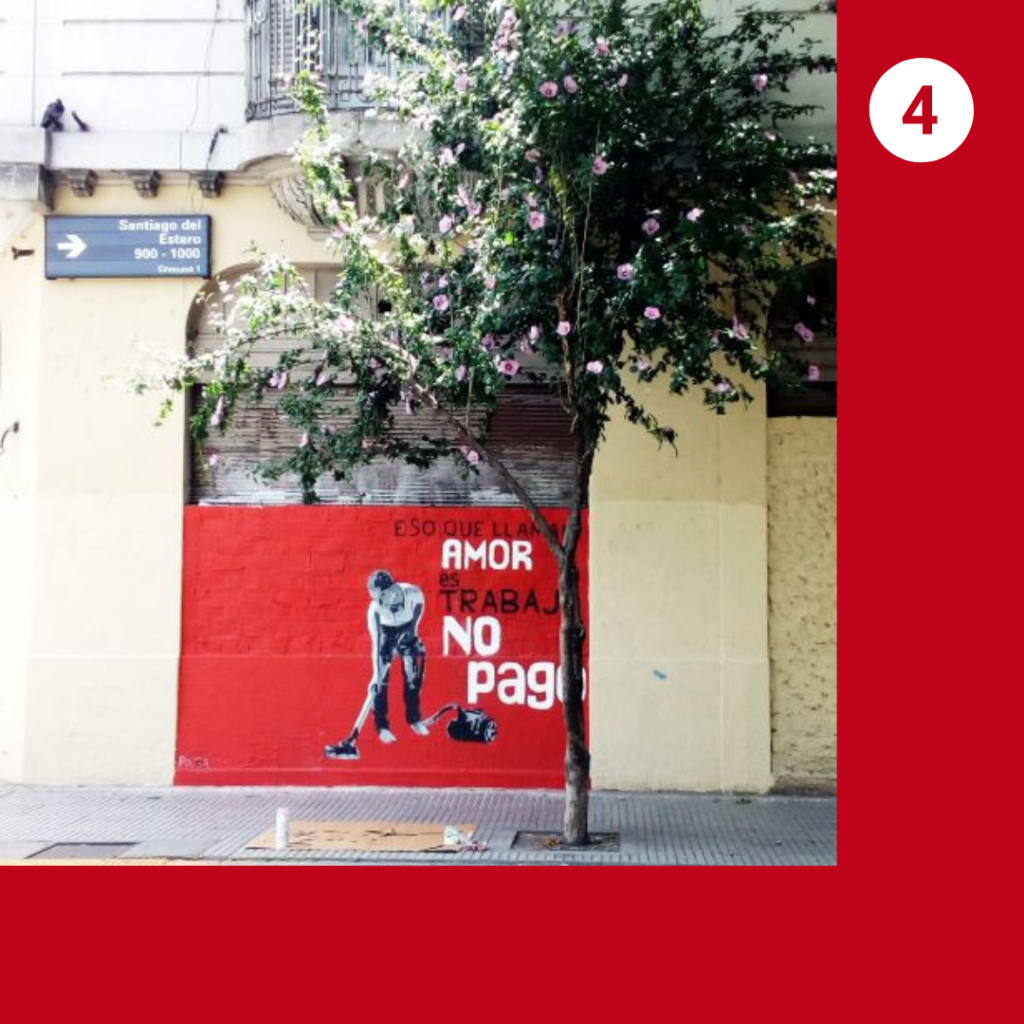
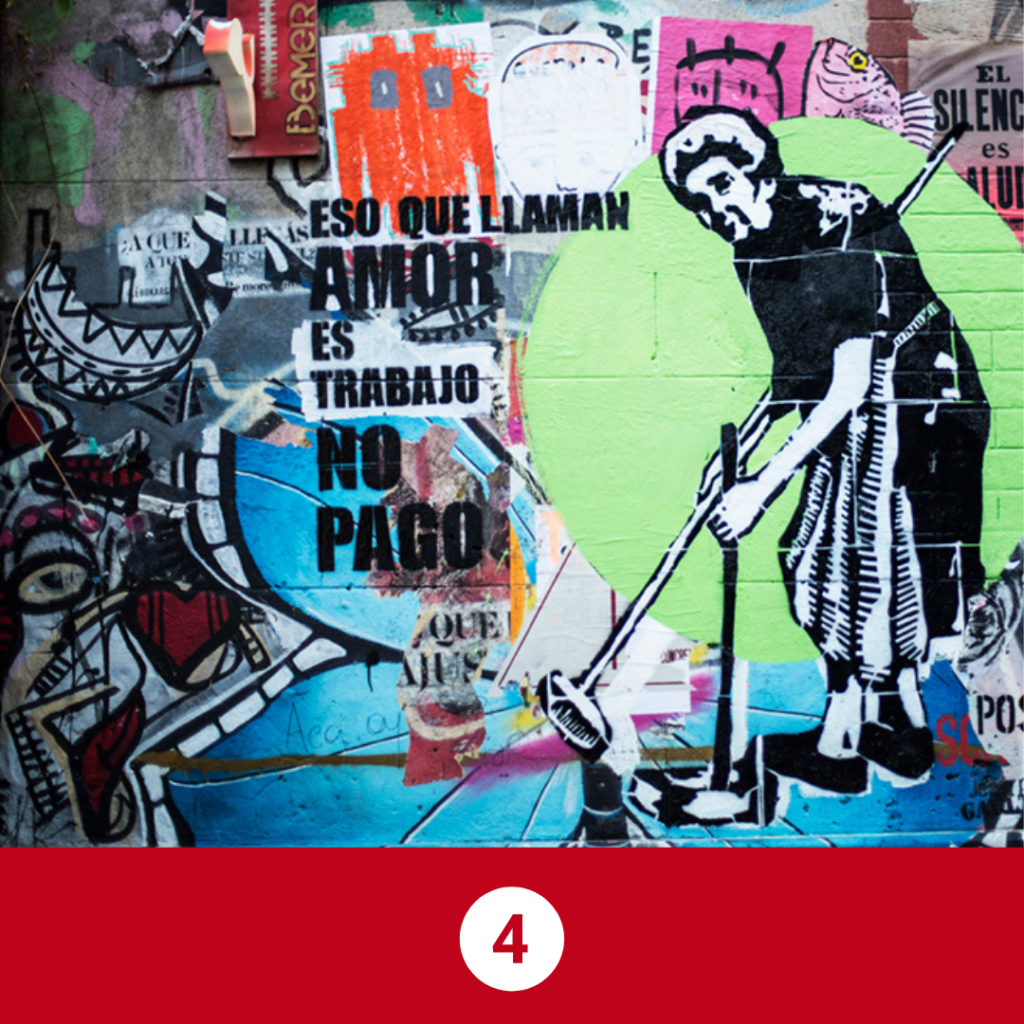
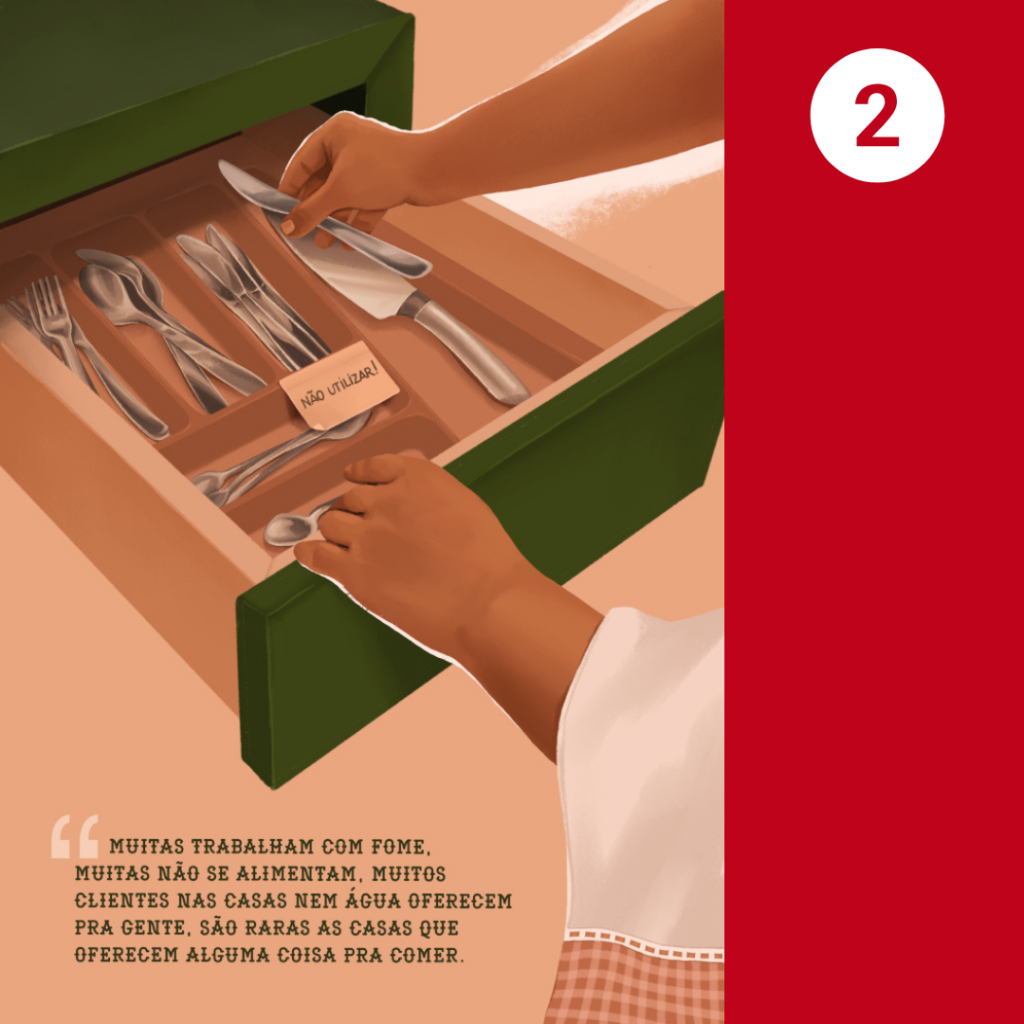
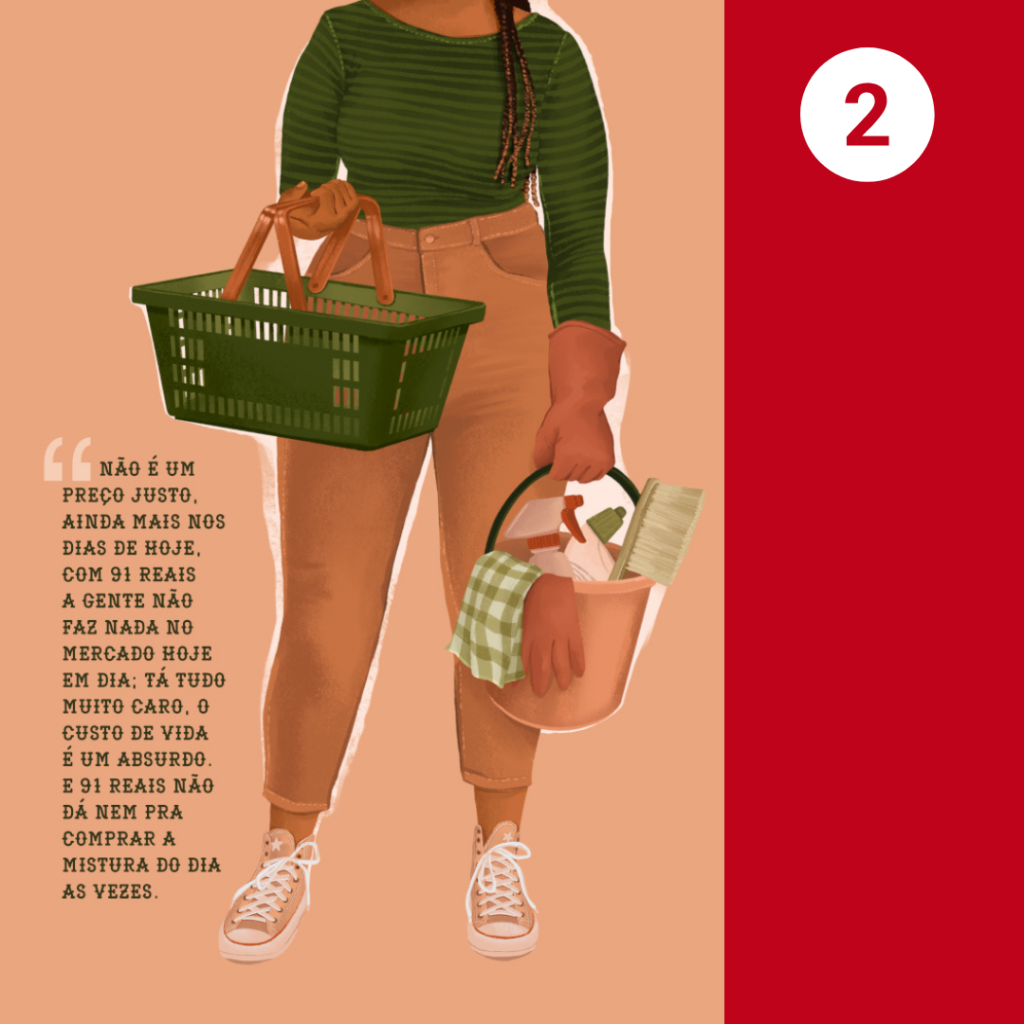
Domestic workers — predominantly women — perform paid care and household services: cleaning, cooking, childcare, and more. They are entrapped in global care chains, often migrating from the Global South to wealthier regions to fill care deficits, leaving their own care responsibilities behind. The political and social devaluation of domestic and care work — its deliberate invisibilisation — enables the exploitation of domestic workers and the cheapening of their labour. Many work under predatory legal frameworks such as kafala in the Gulf countries, which exclude them from labour protections, deny them freedom of movement, and render them at the mercy of their employers.
Resource descriptions:
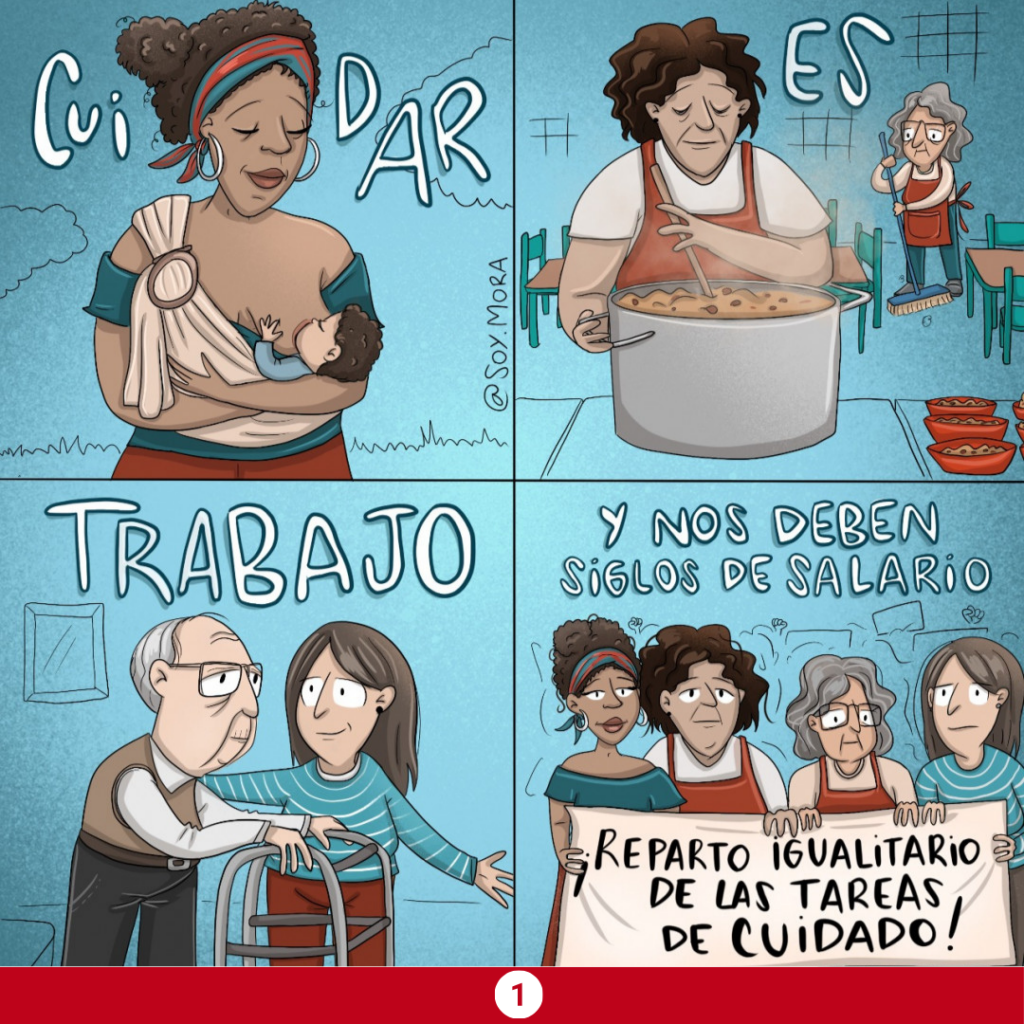
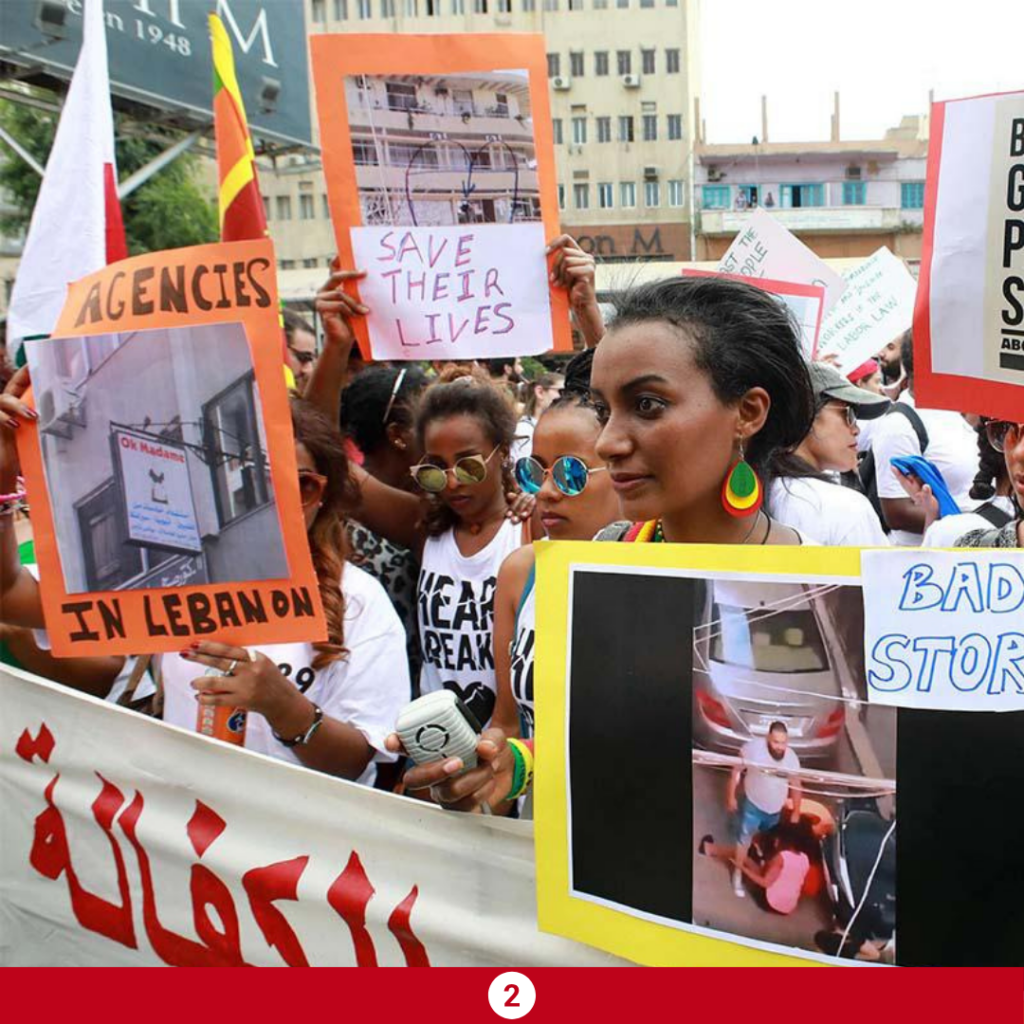
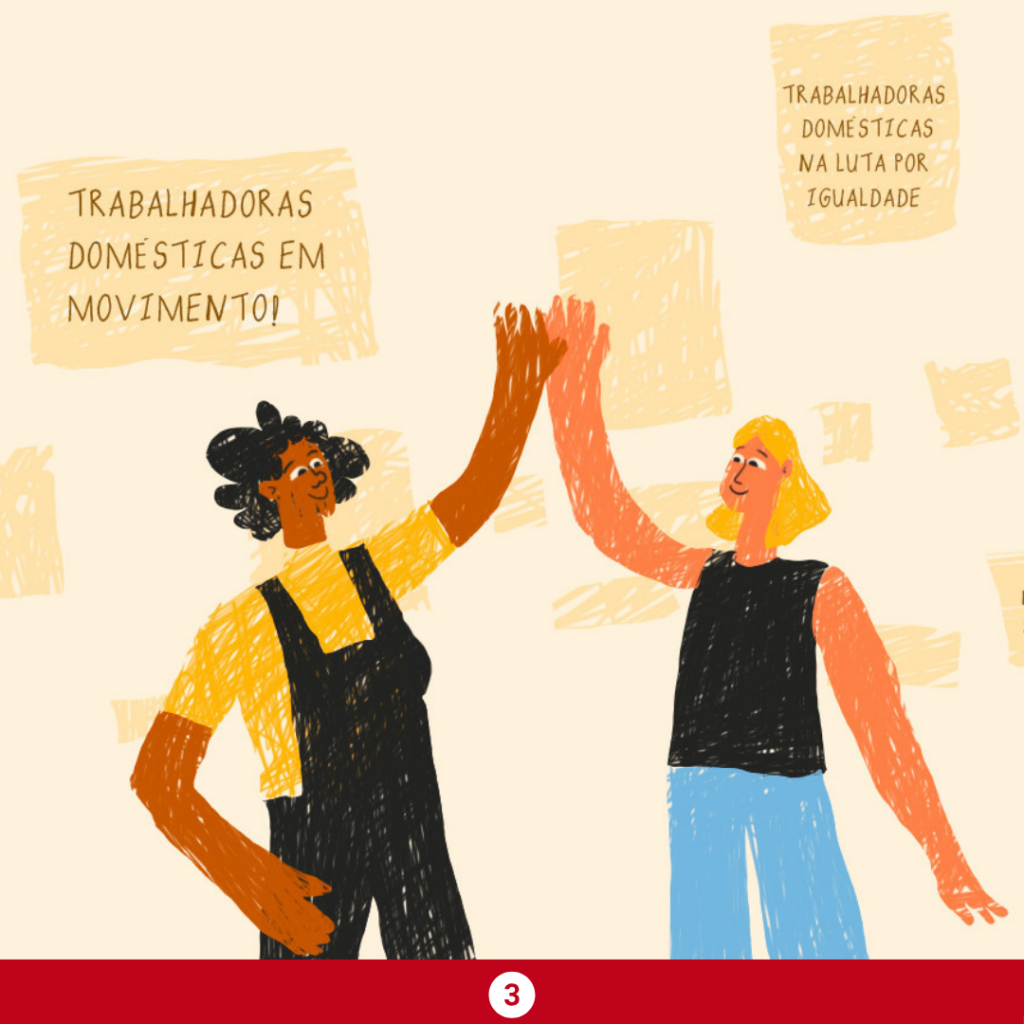
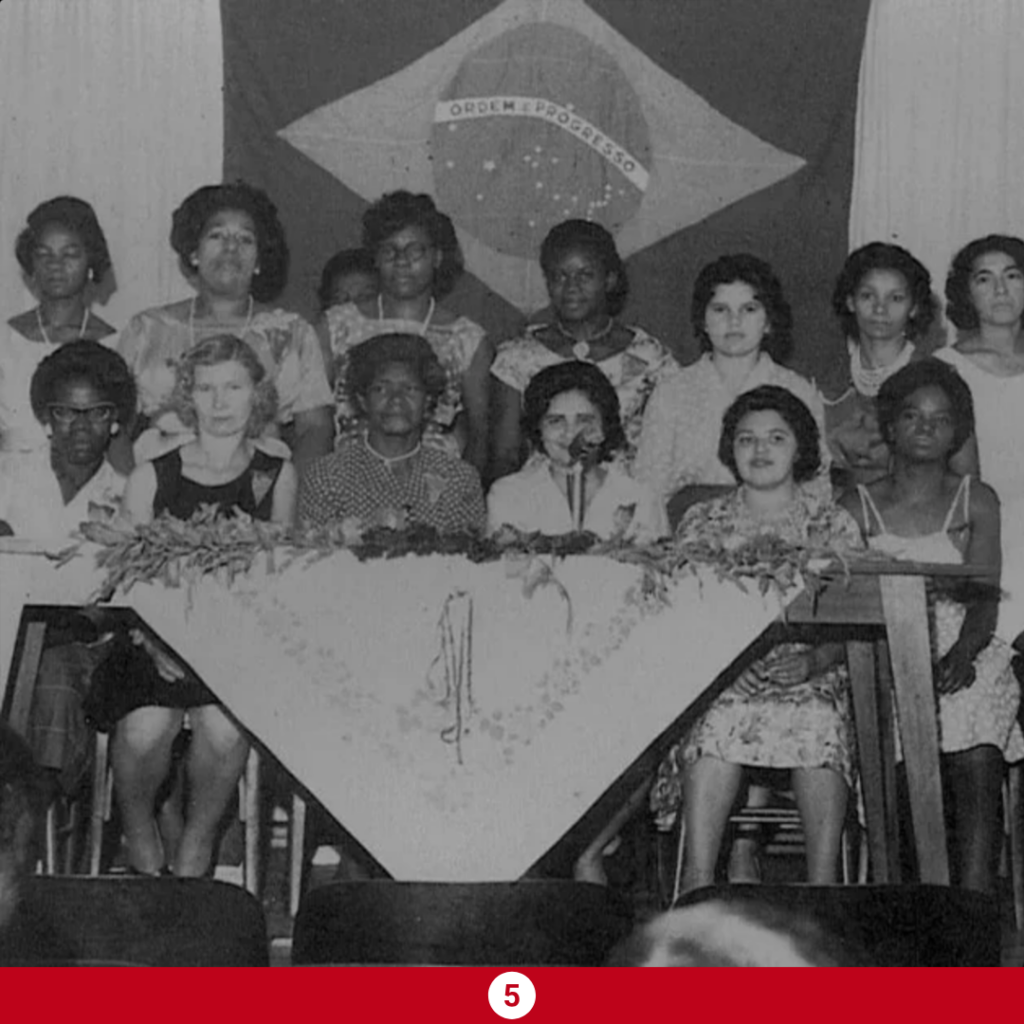
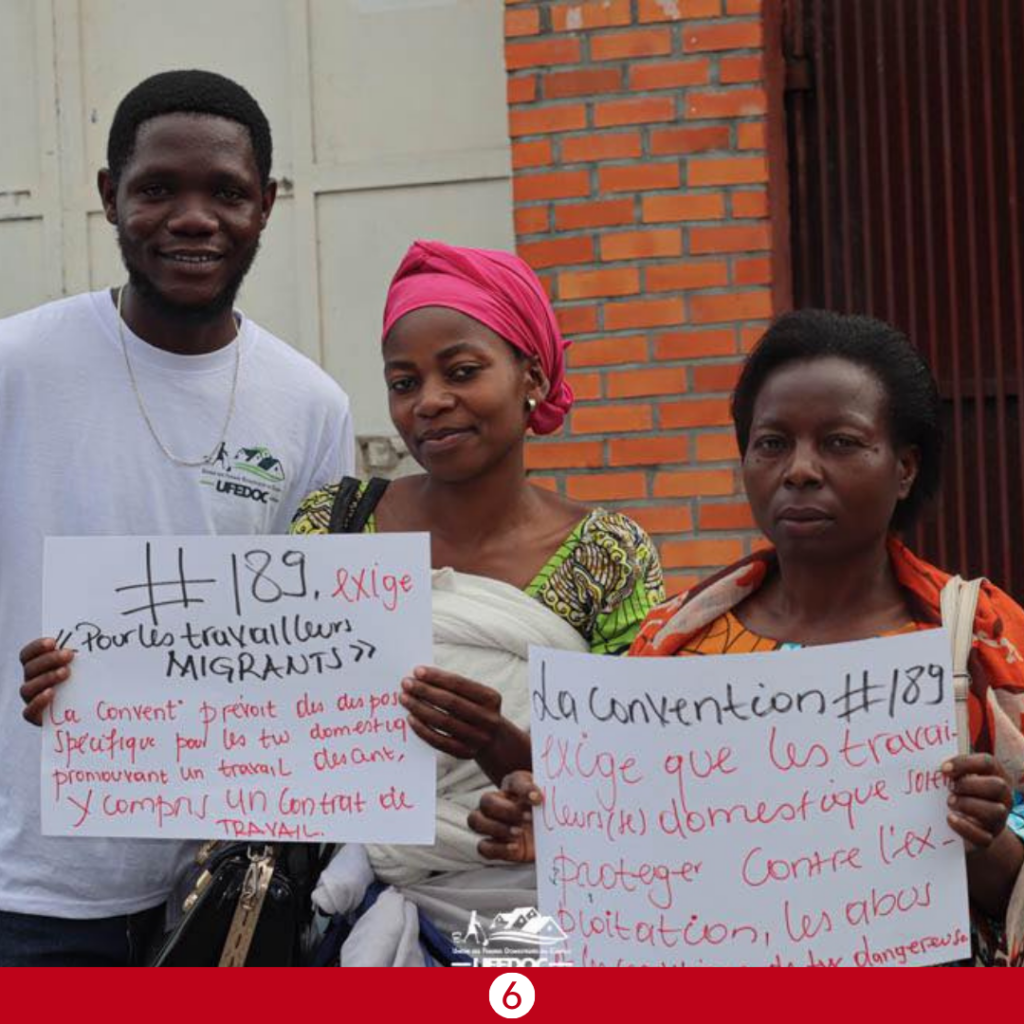
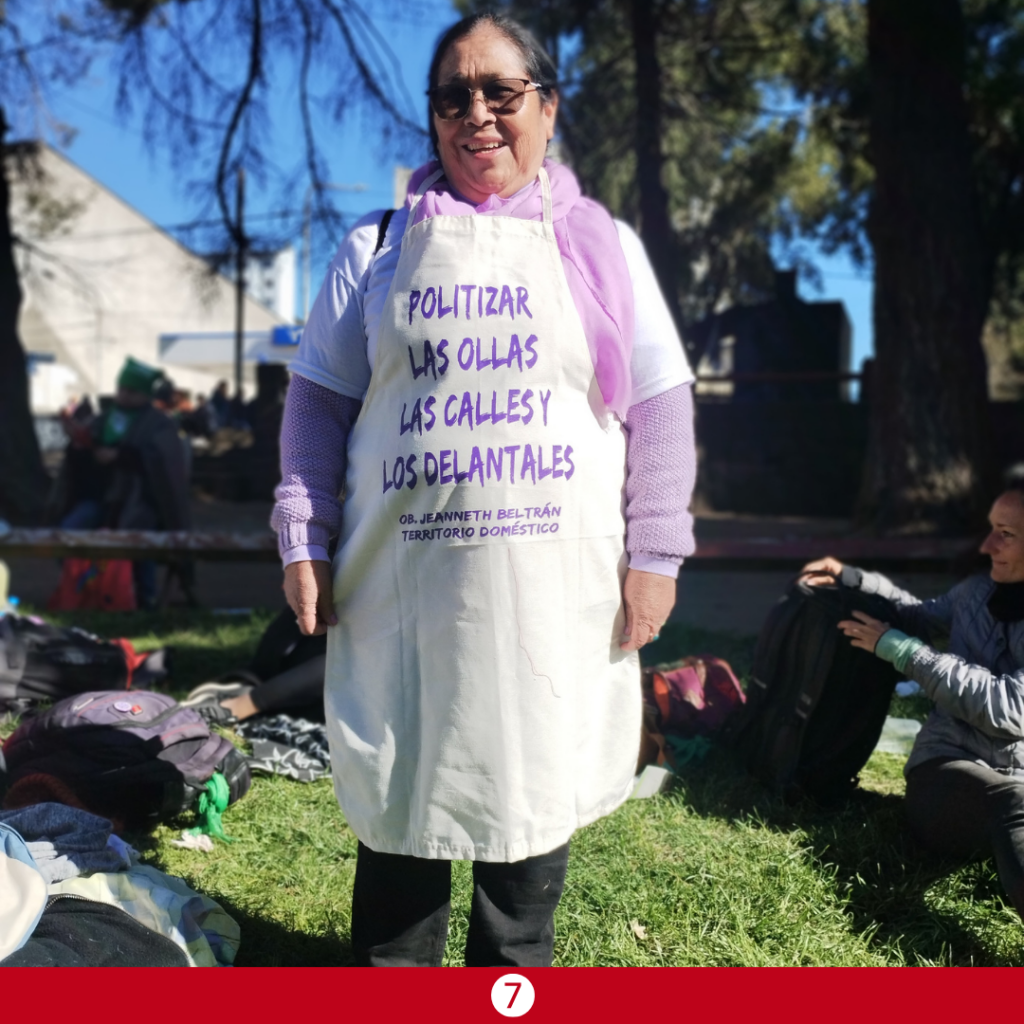
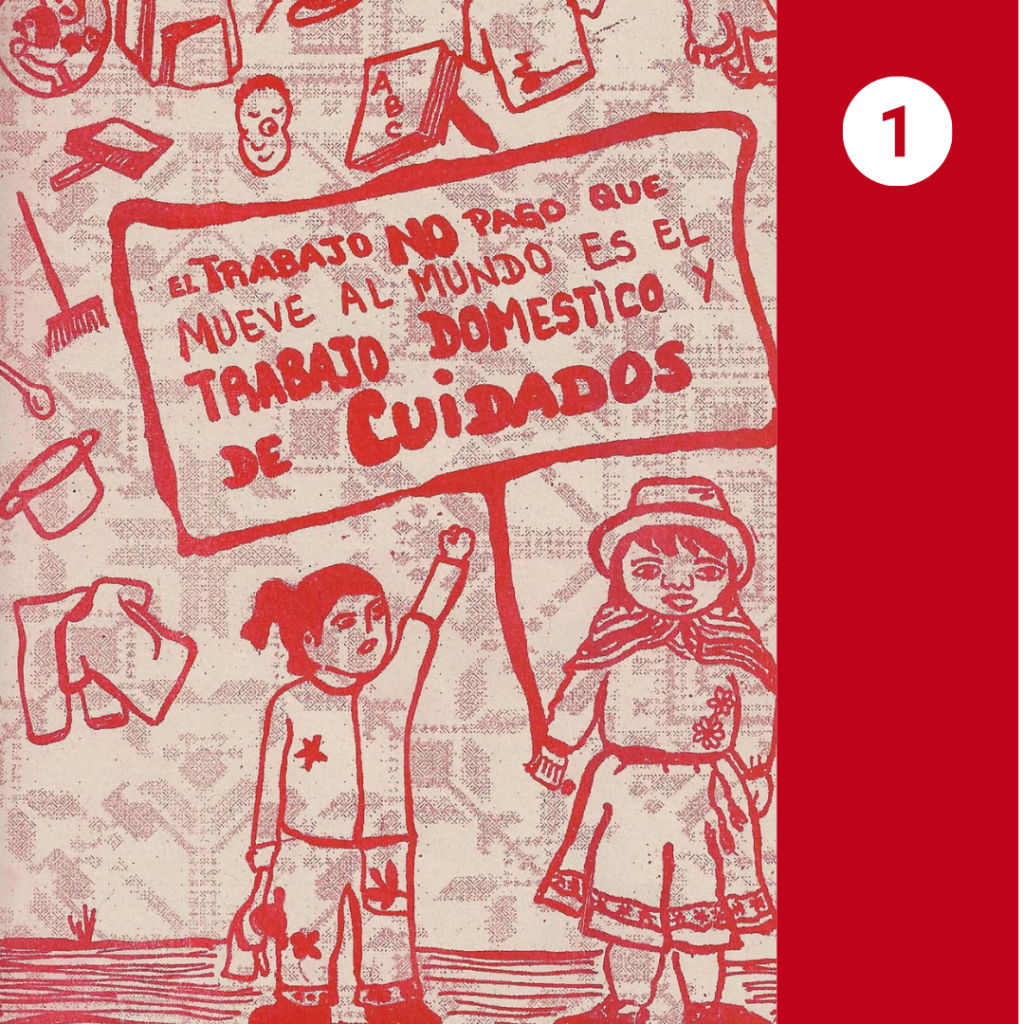
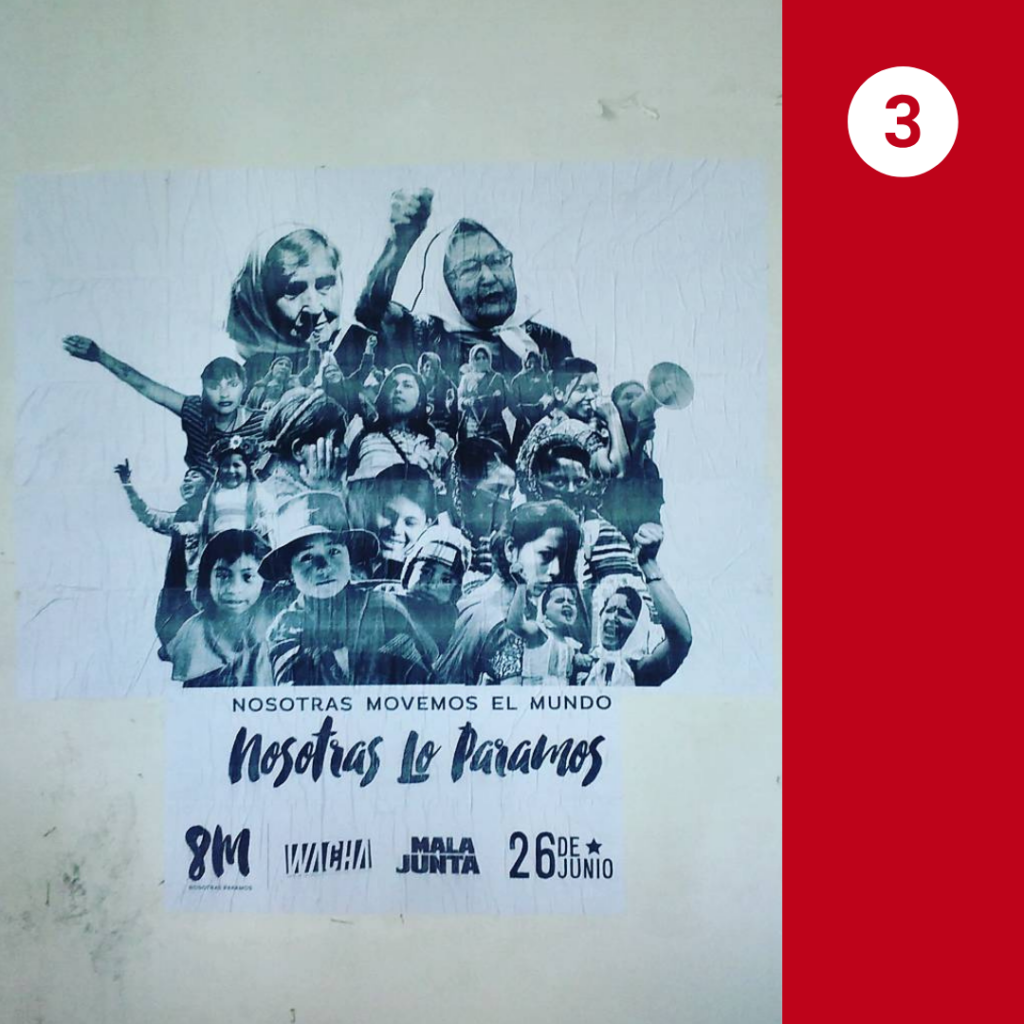
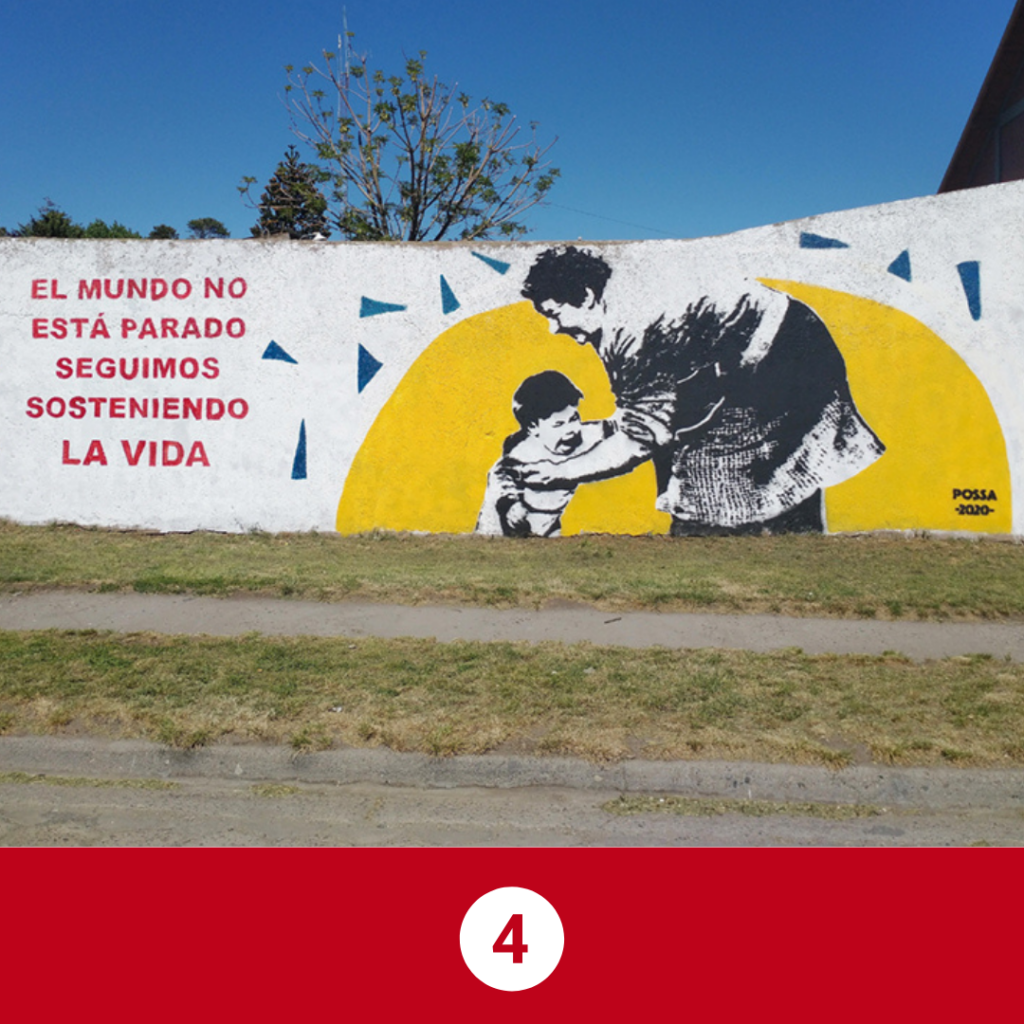
Care workers sustain life — caring for children, the elderly, the sick, and communities — through paid and unpaid work embedded in families, markets, public services and increasingly in Apps. This labour is the bedrock of social reproduction, and is systematically undervalued precisely because of its feminised, racialised, and invisibilised nature under capitalism. Within families, communal spaces and institutions, care work falls disproportionately on women. Globally, care workers are often drawn into exploitative supply chains from the Global South to the North. Historically, these workers have organised through campaigns and strikes to demand recognition, redistribution, and collective responsibility for their life sustaining labour.
Resource descriptions:
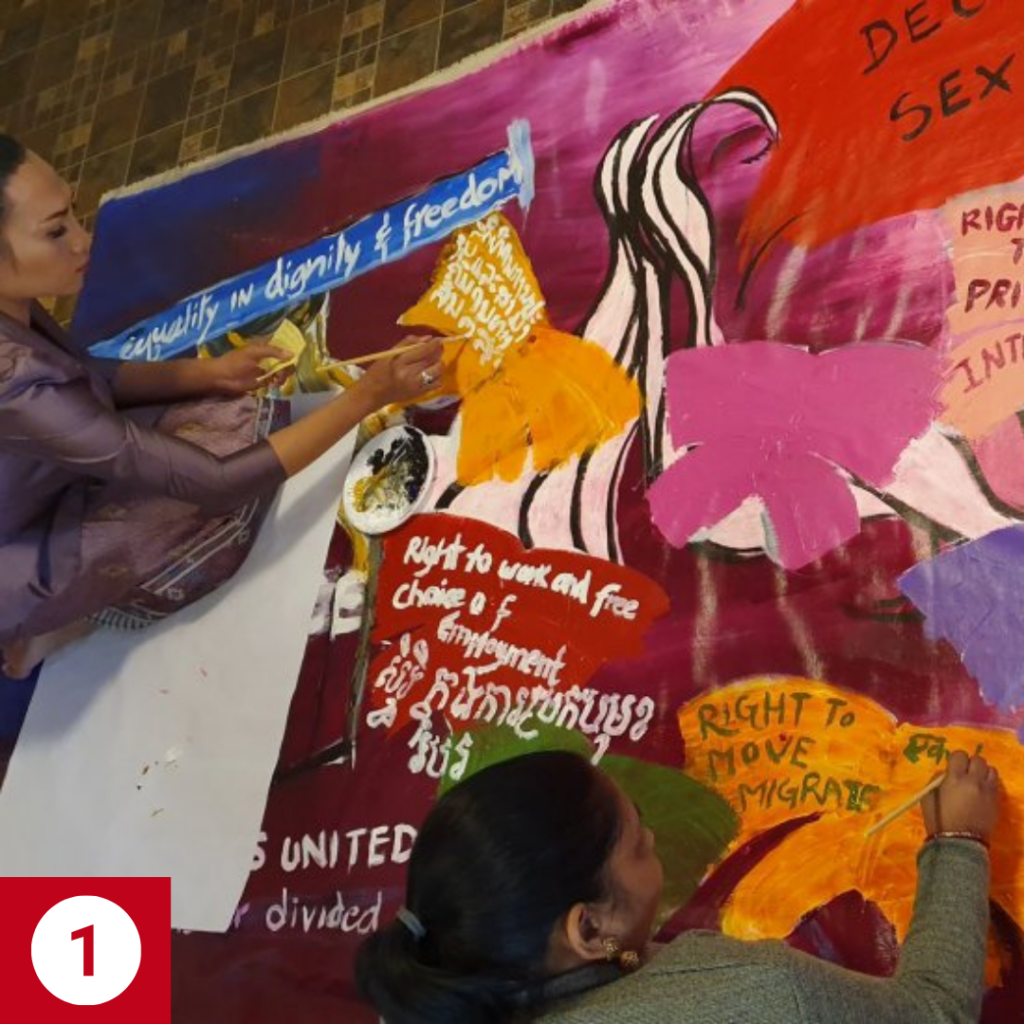
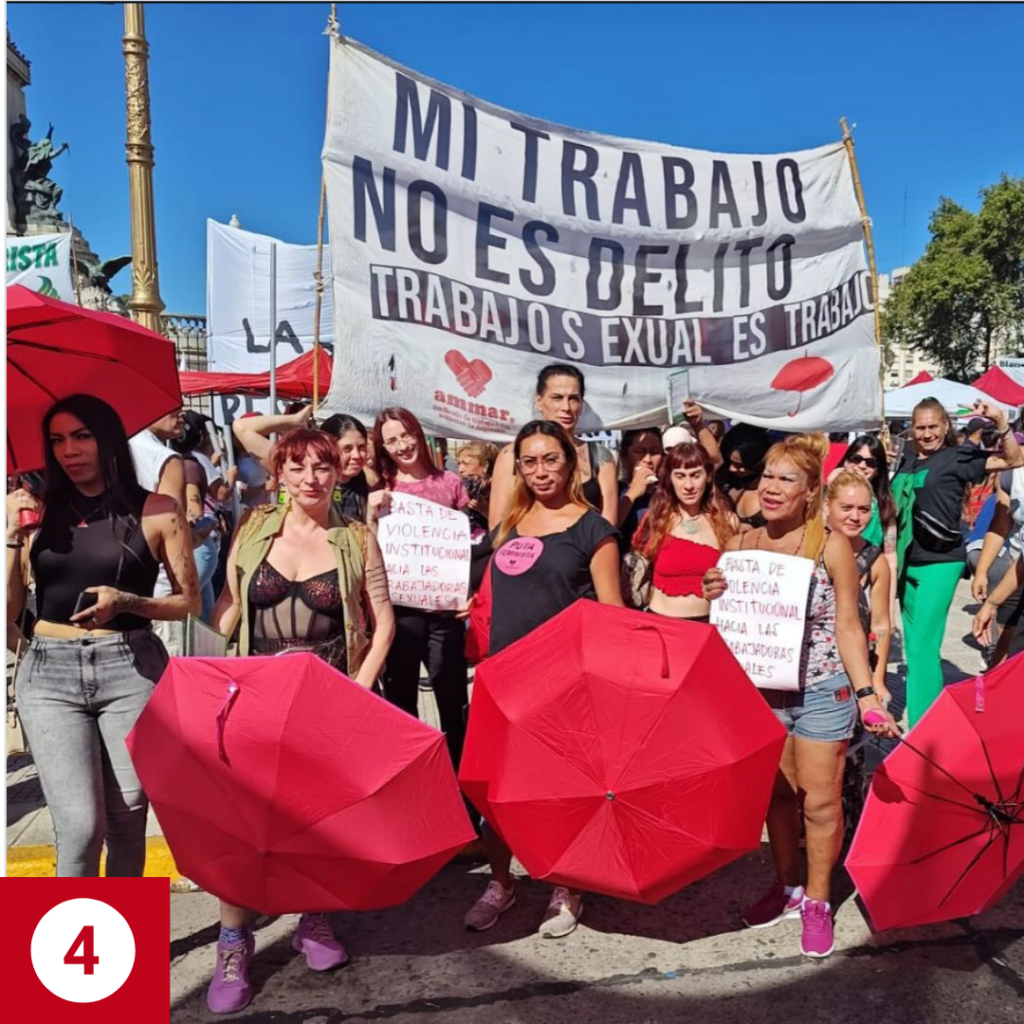
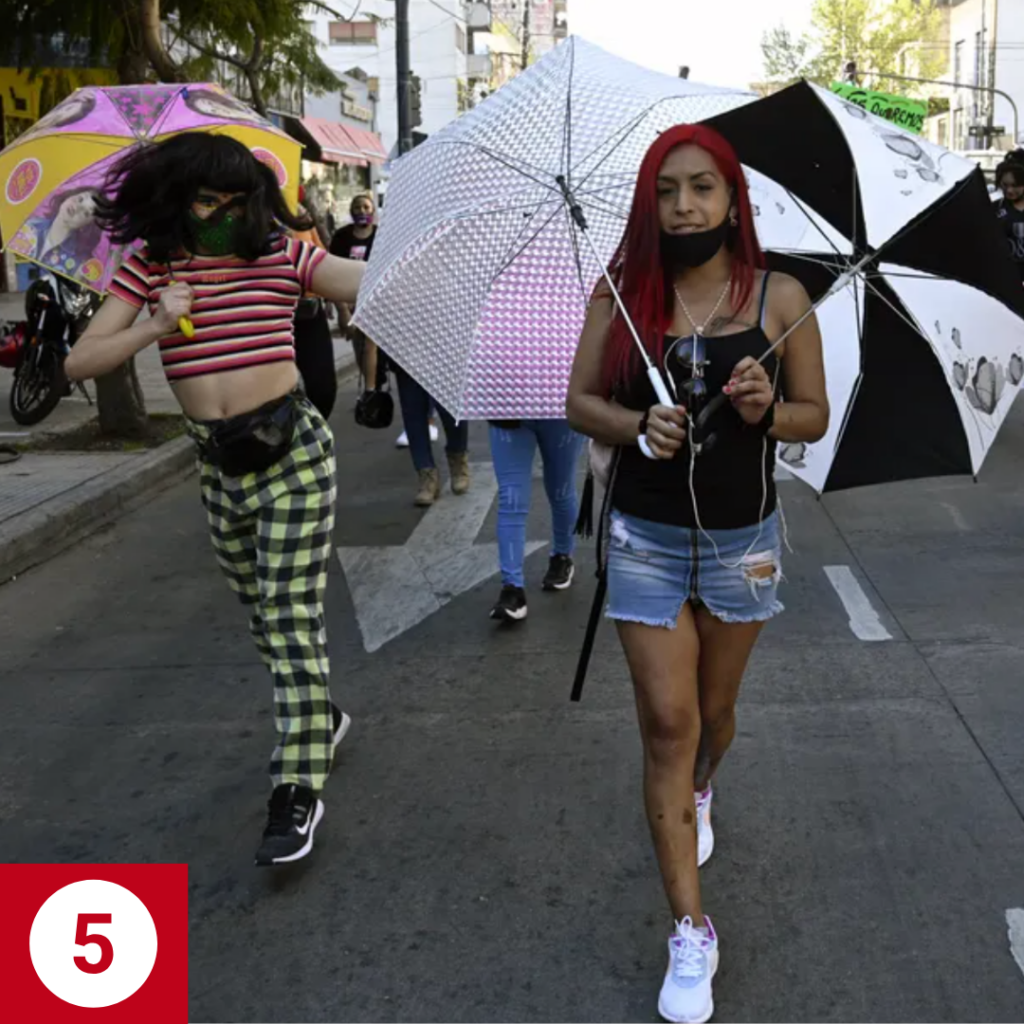
Sex workers are workers providing paid sexual and erotic services such as escorting, stripping, pornography, and others. Inequalities of class, migration status, race, and gender shape the levels of privacy, security, and income sex workers have. The criminalisation, legalisation, or decriminalisation of sex work determines sex workers’ safety, working conditions, wages and social protections. Across the world, sex workers organise and unionise for safety, decriminalisation, and labour rights, constituting a working force with a shared struggle.
Resource descriptions:
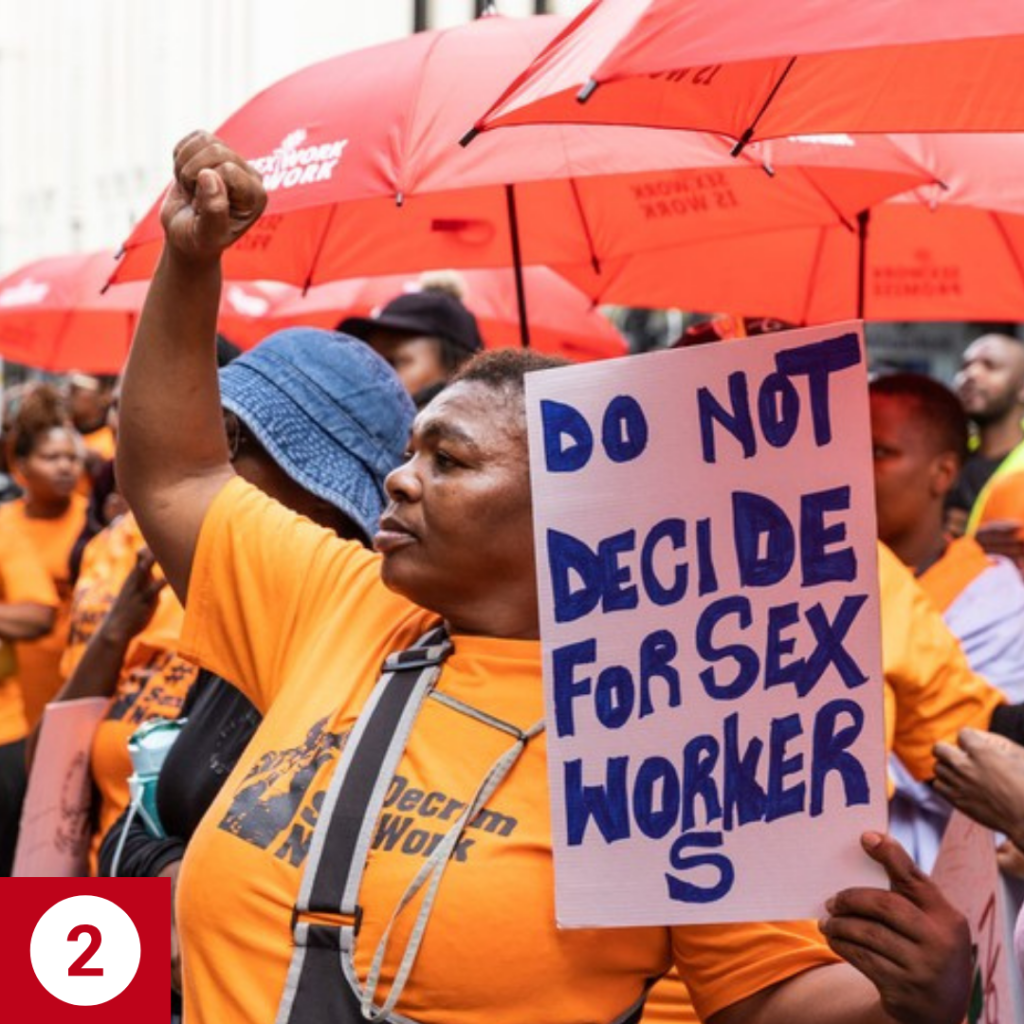


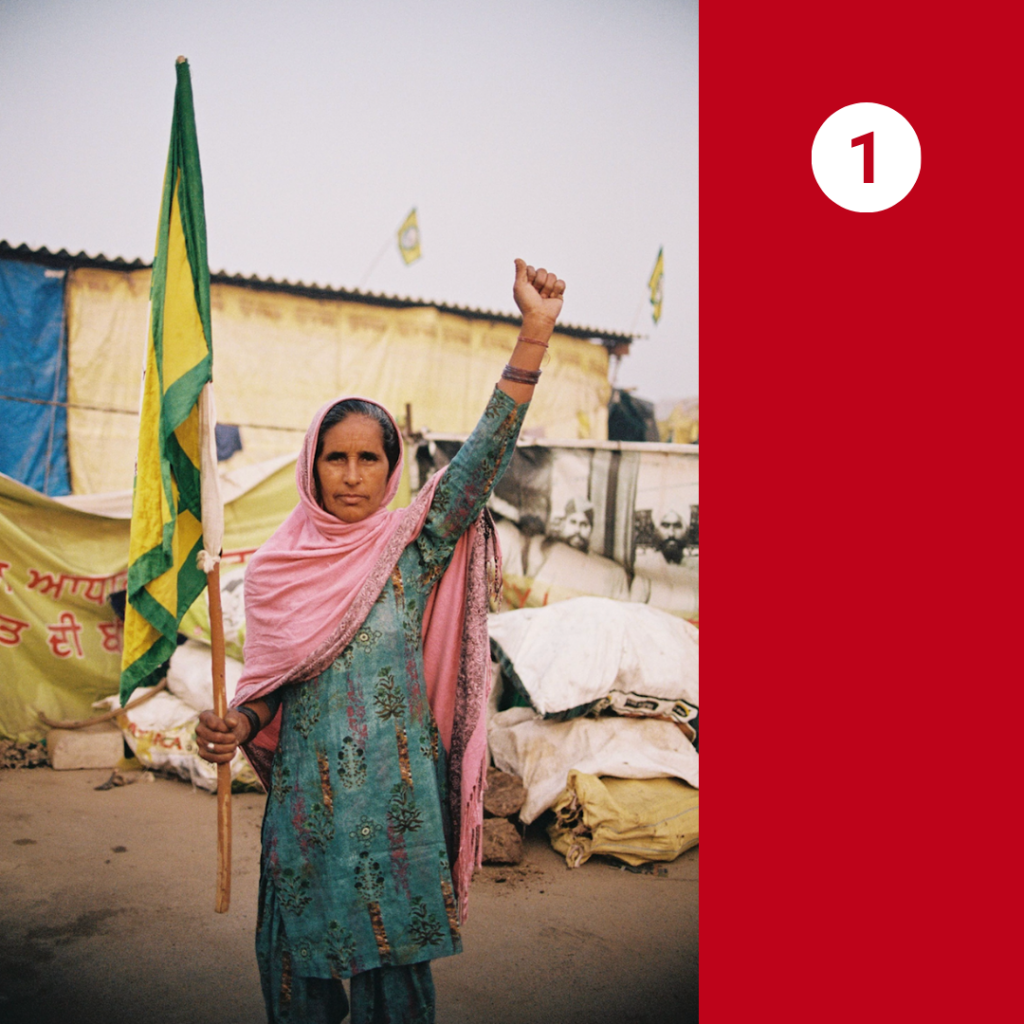
Agricultural, rural, and indigenous workers are central to food production and the reproduction of rural life, sustaining both subsistence and capitalist agriculture while facing dispossession, land inequality, labour precarity and exclusion from resources and decision-making. Their work is often informal, unpaid, or underpaid. In the Global South especially, it spans farming, caregiving, and community survival, carried out against the persistent weight of colonial history, extractivism, and the ongoing struggle for food sovereignty.
Resource descriptions:
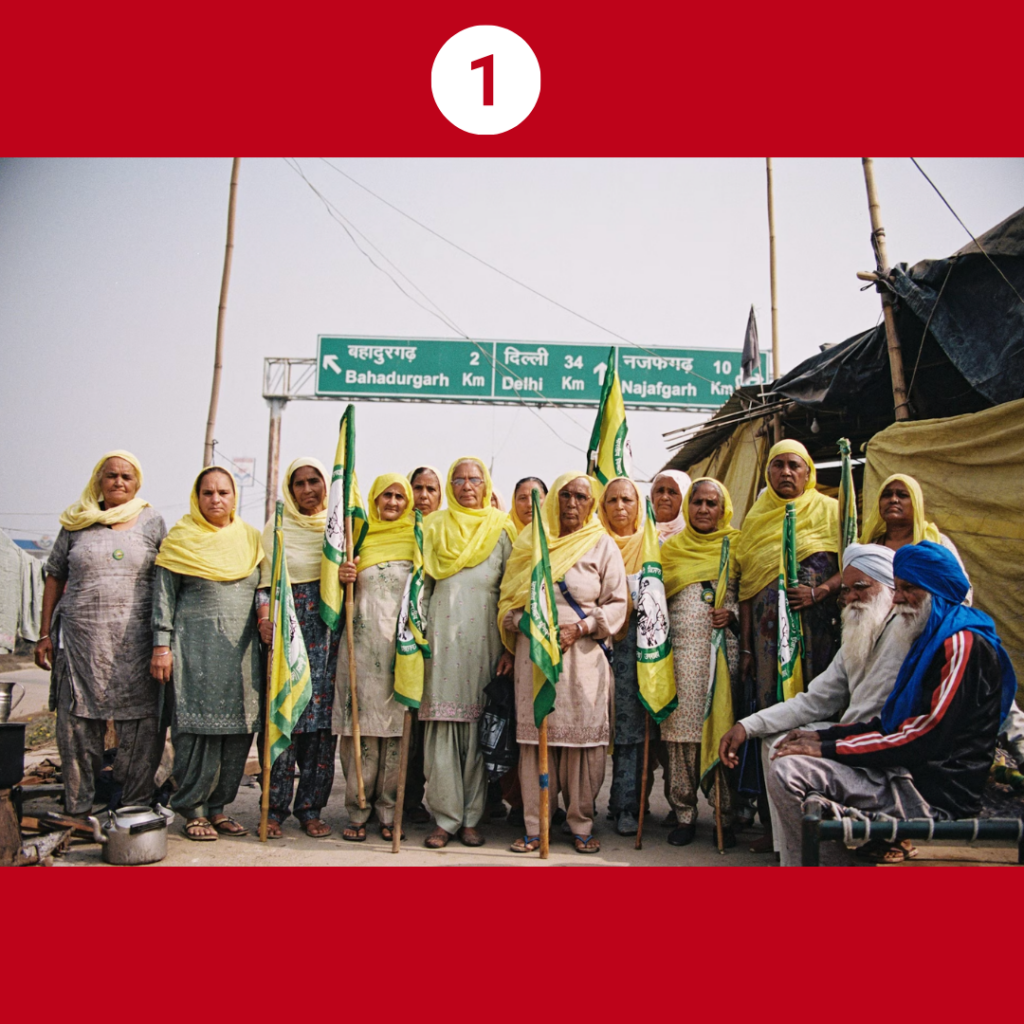
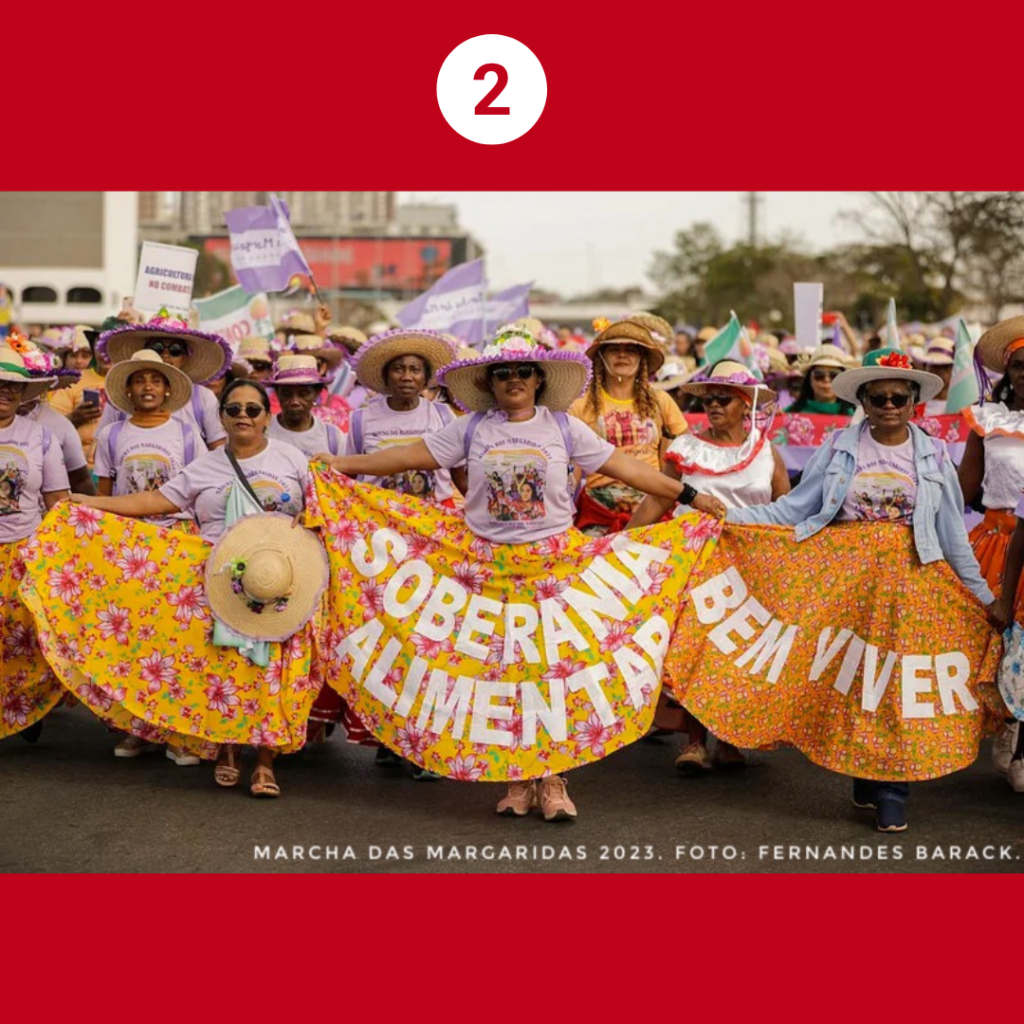
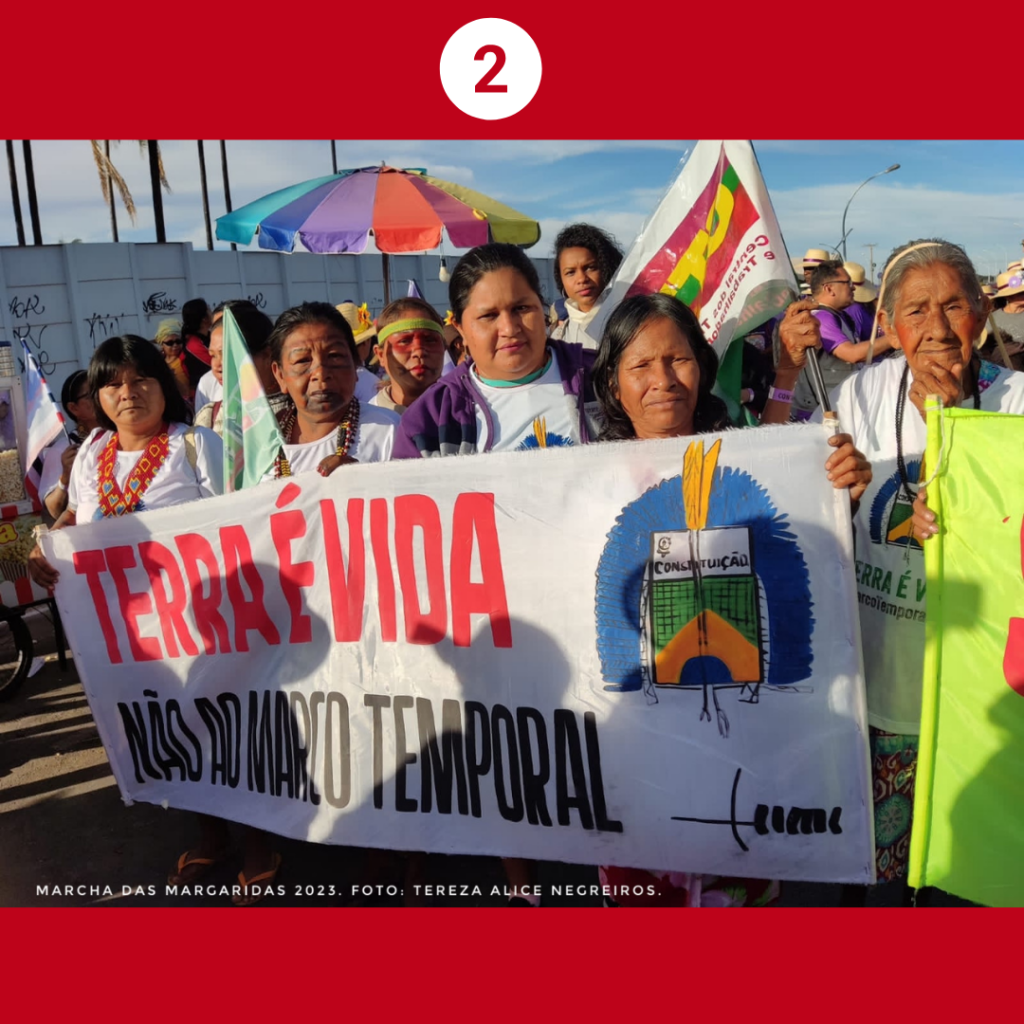
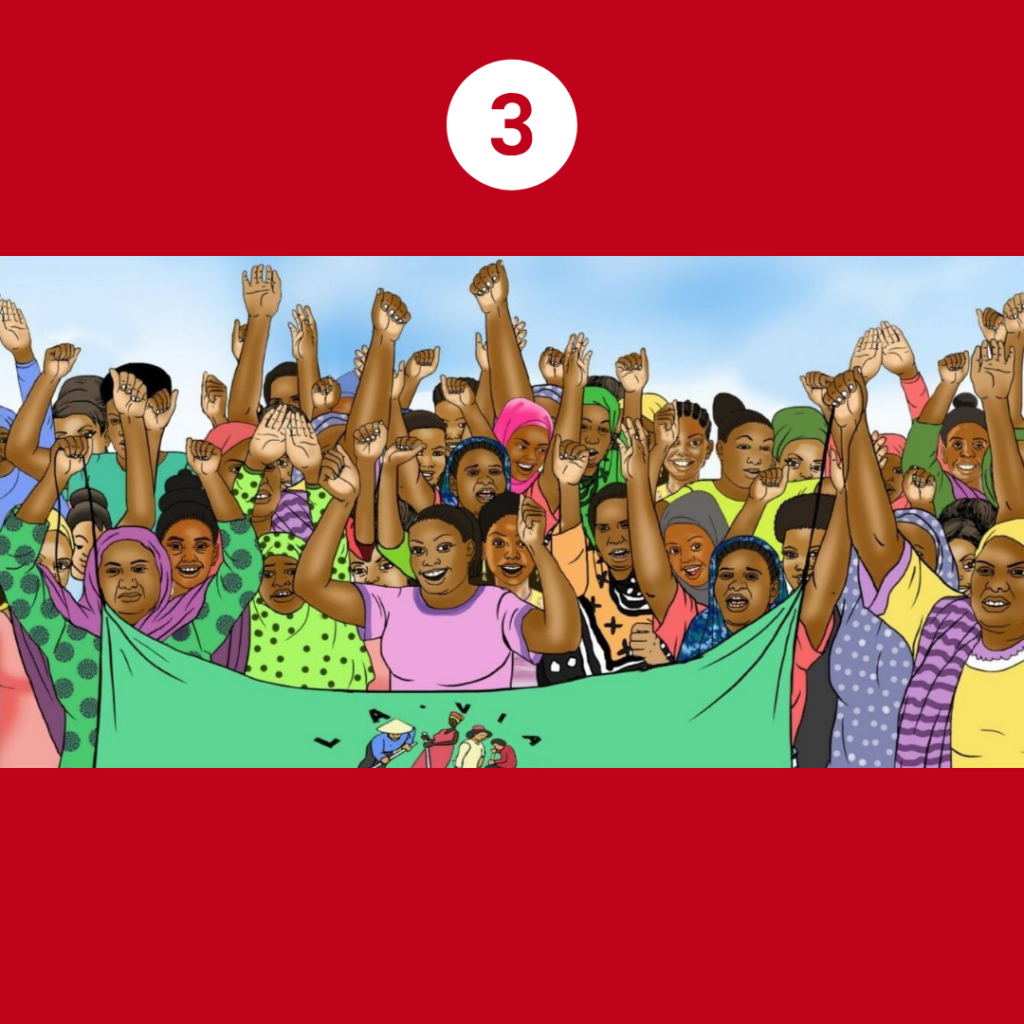
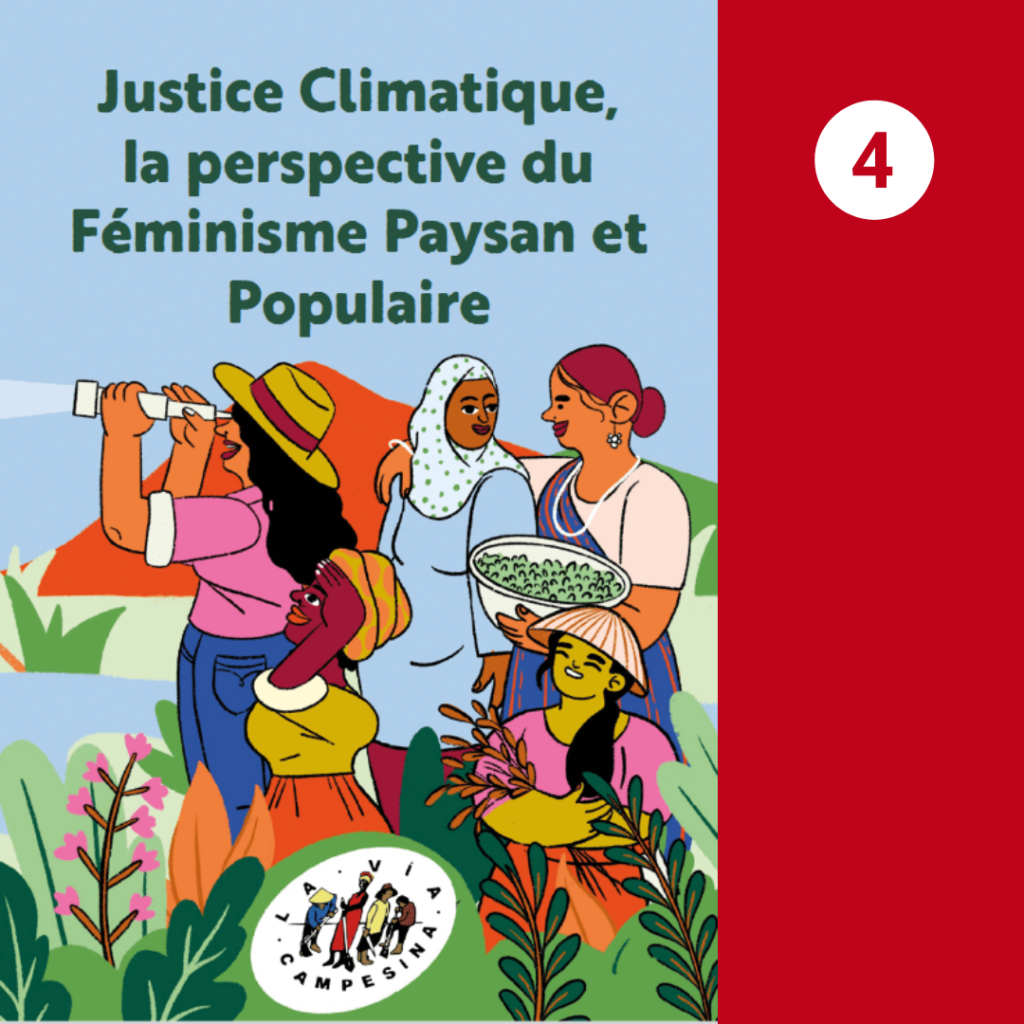
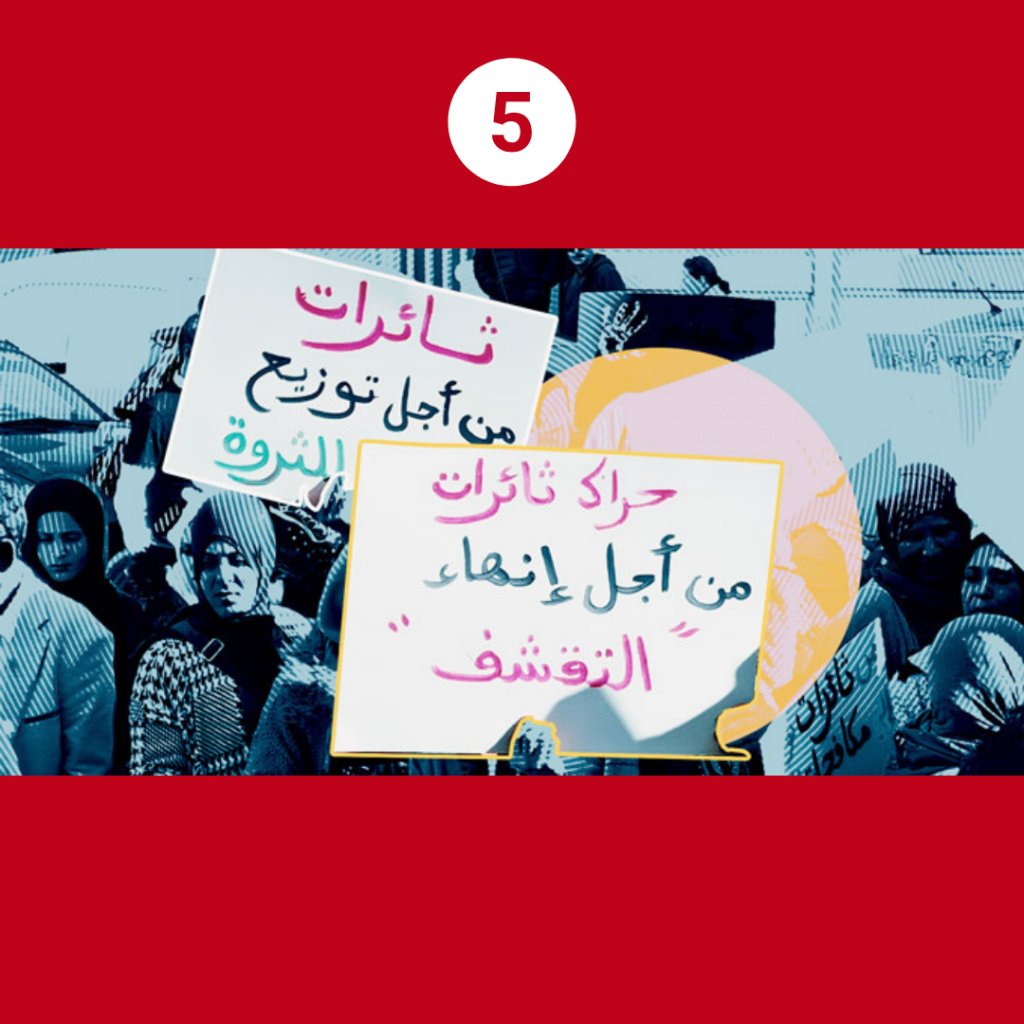
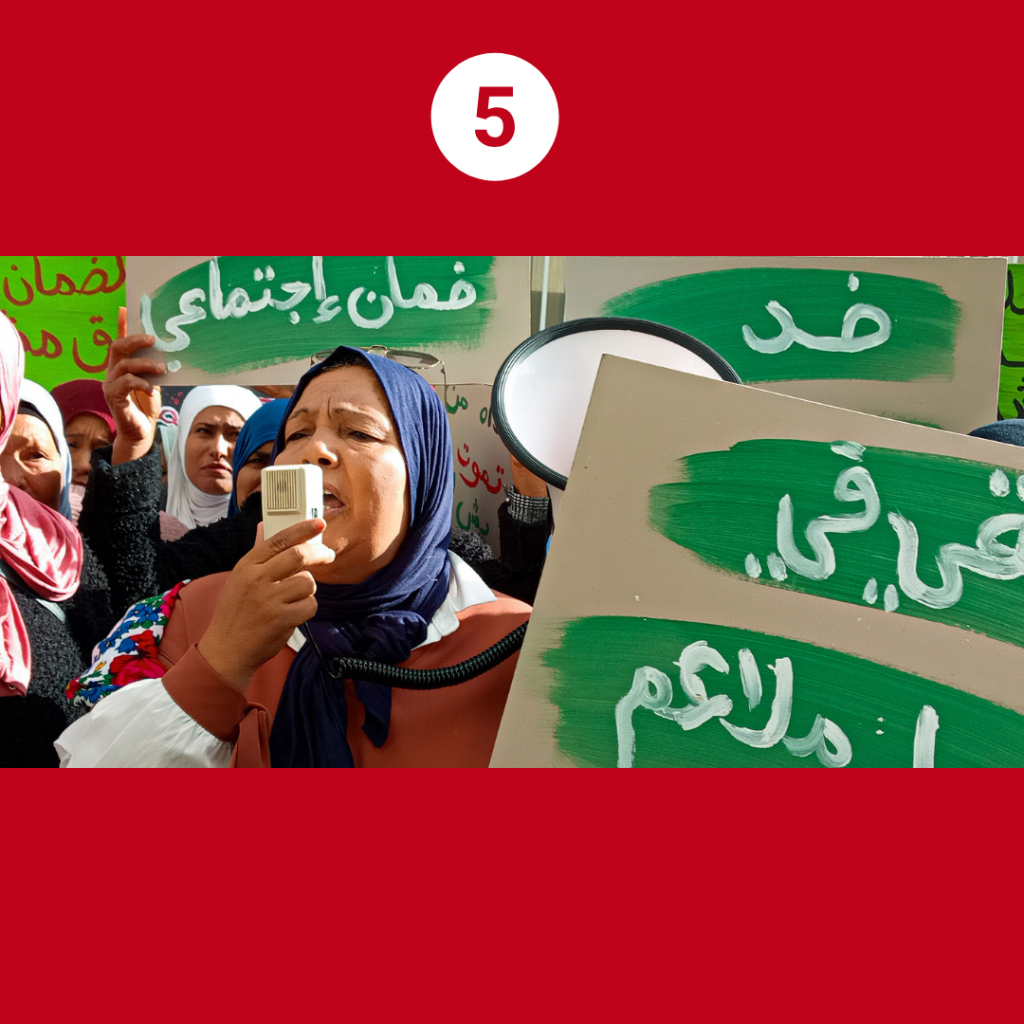
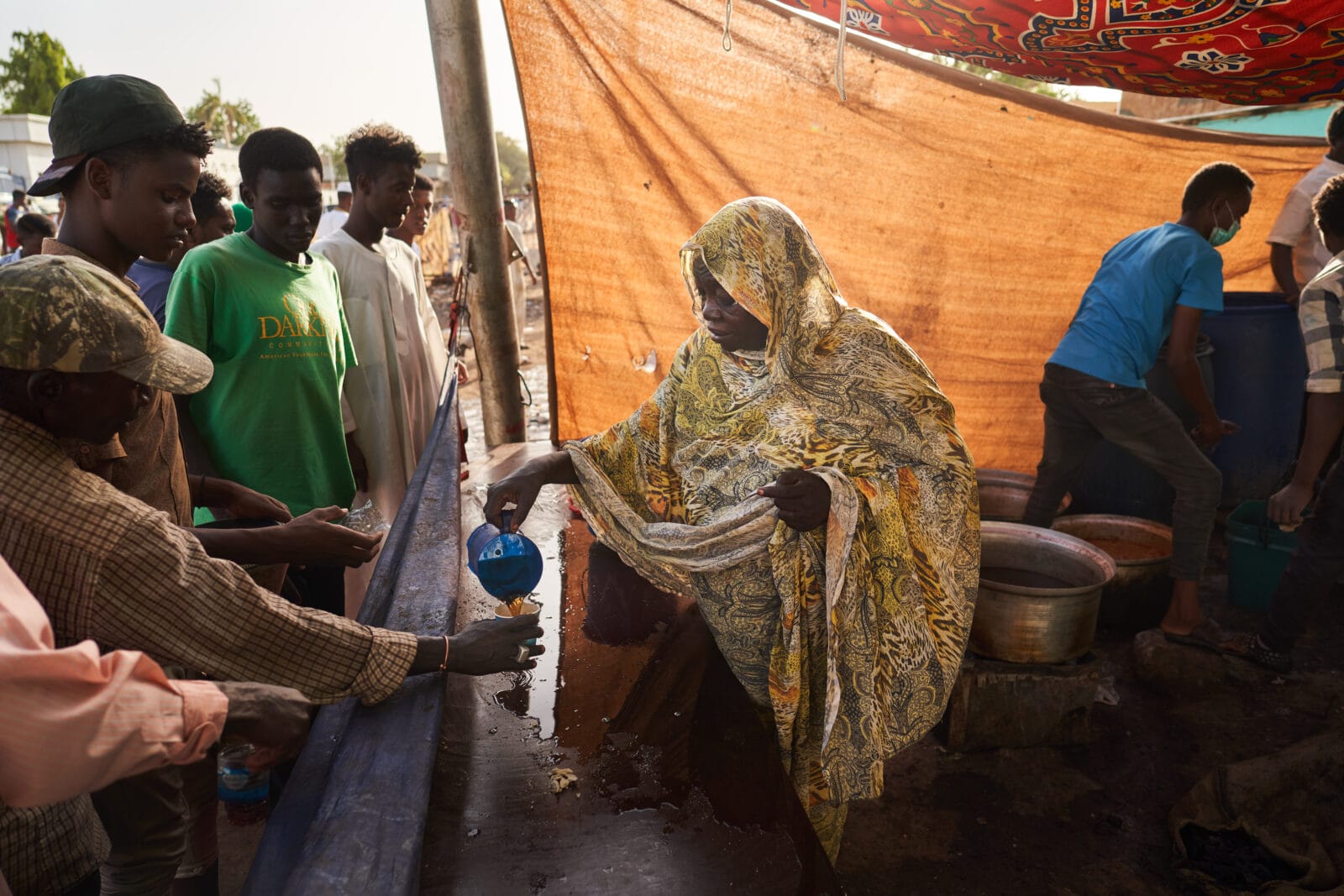
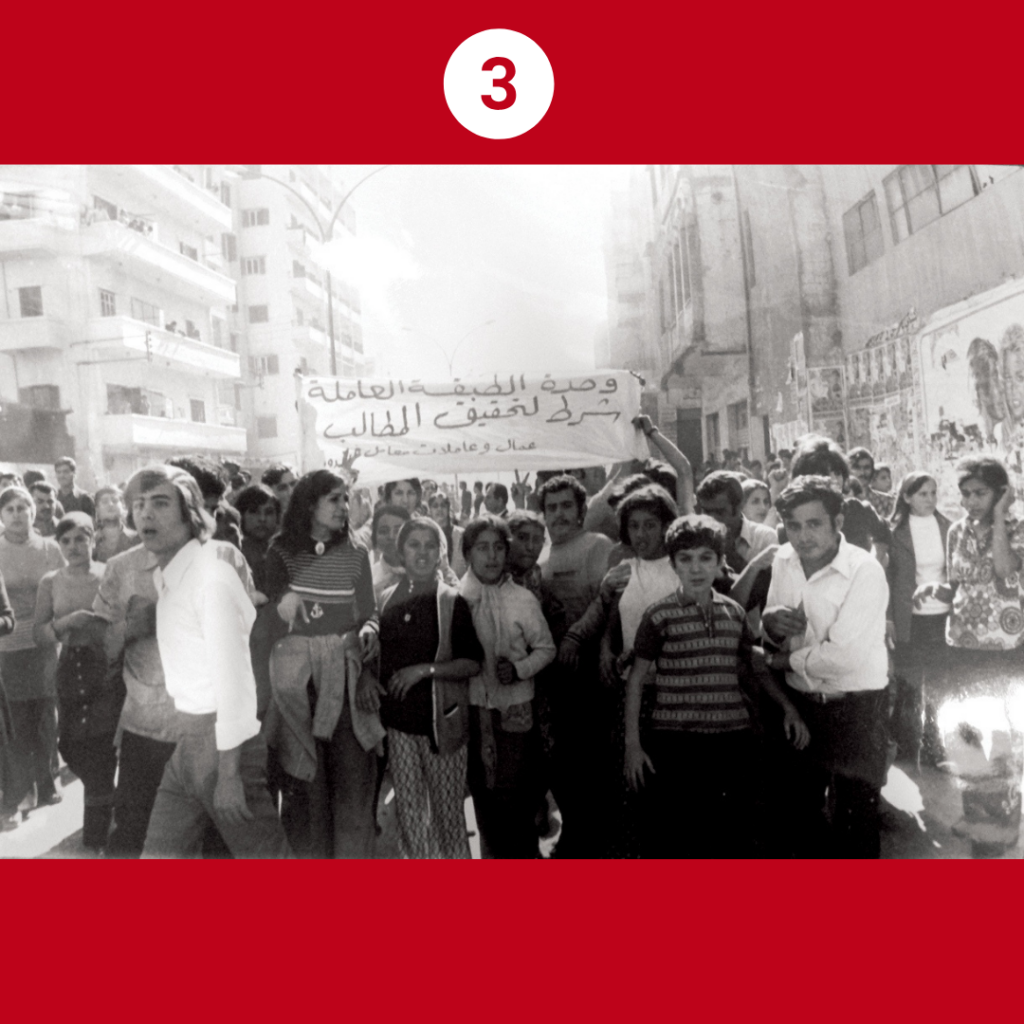
Food system workers sustain the daily circulation of food through cooking, market vending, community kitchens, food processing, and related roles. This work sits at the intersection of production and social reproduction, feeding both labour and communities while remaining undervalued, informal, and underpaid. It is shaped by gendered divisions of labour and racialised informality, concentrating women and racialised minorities in the most precarious, lowest-paid positions. In times of war and crisis, it becomes the most essential work of all, ensuring the survival of entire populations.
Resource descriptions:
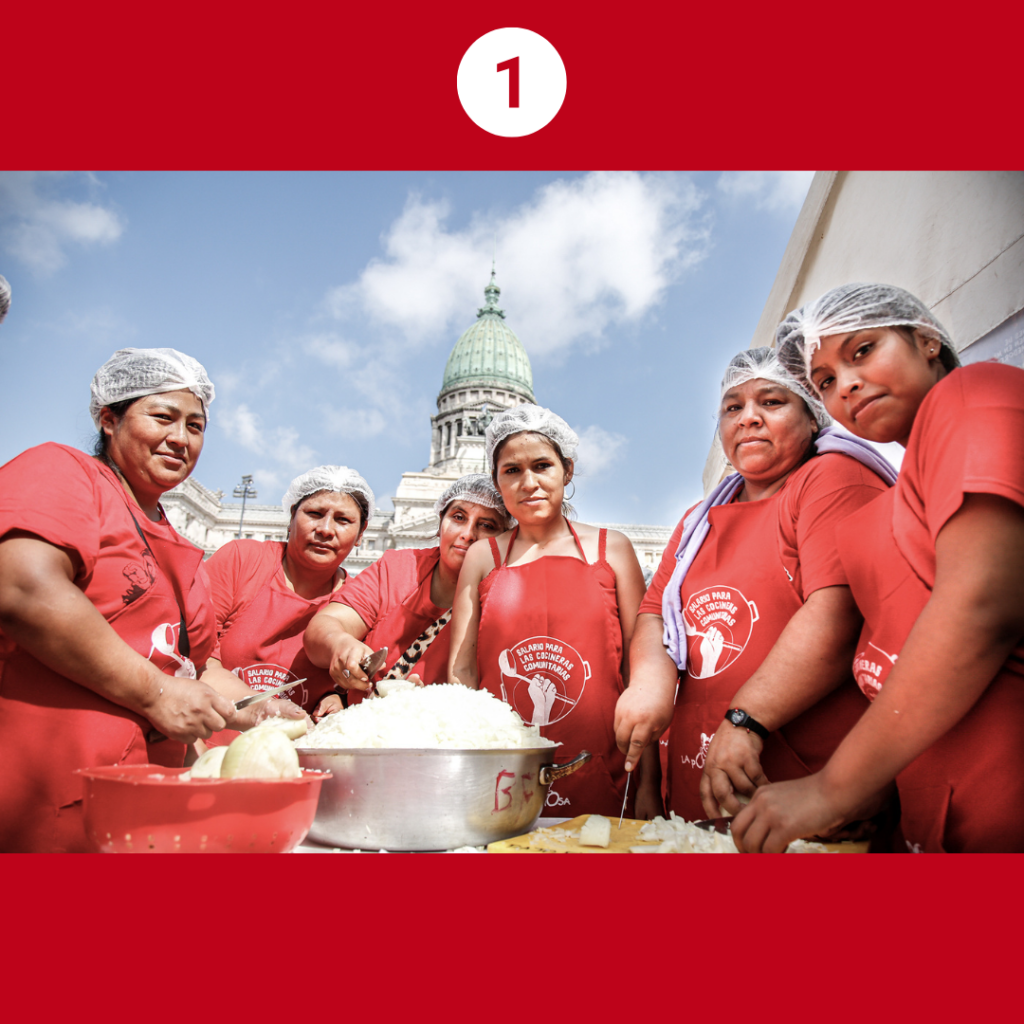
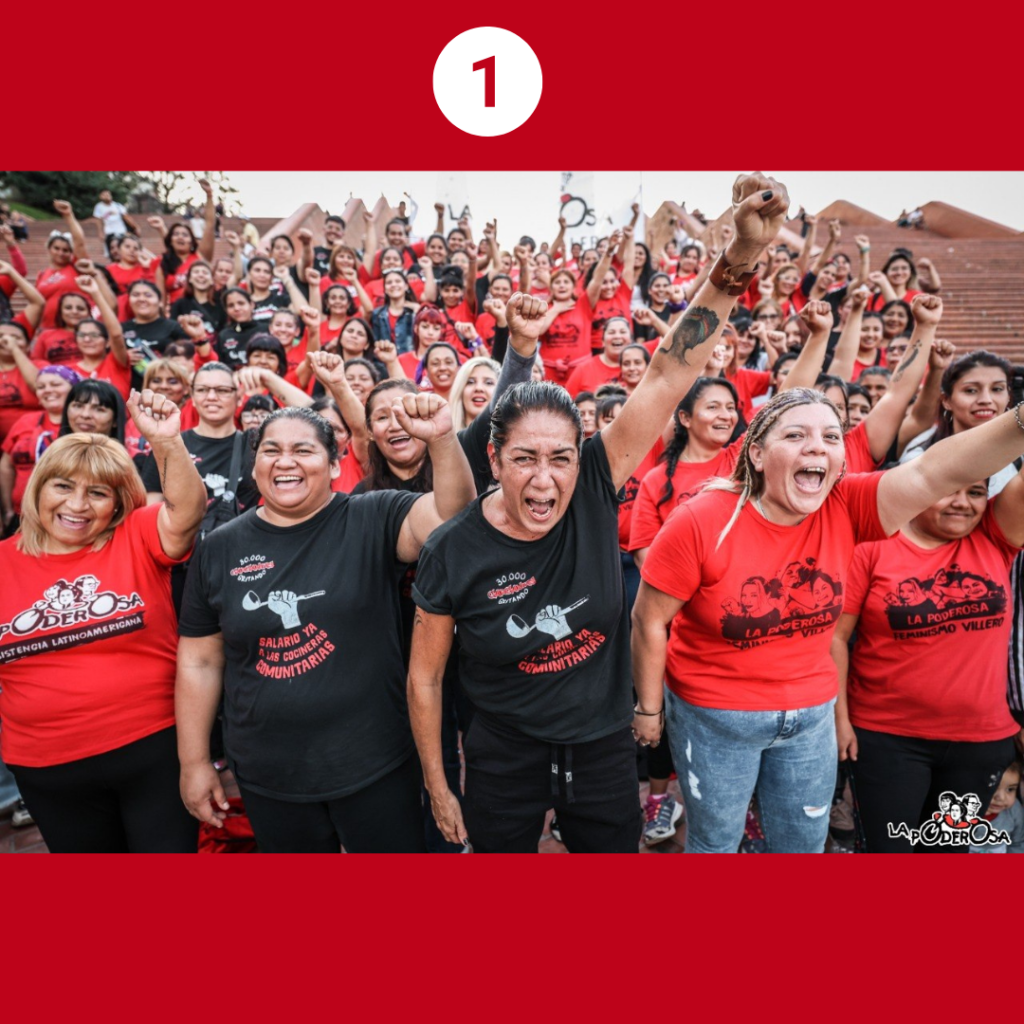
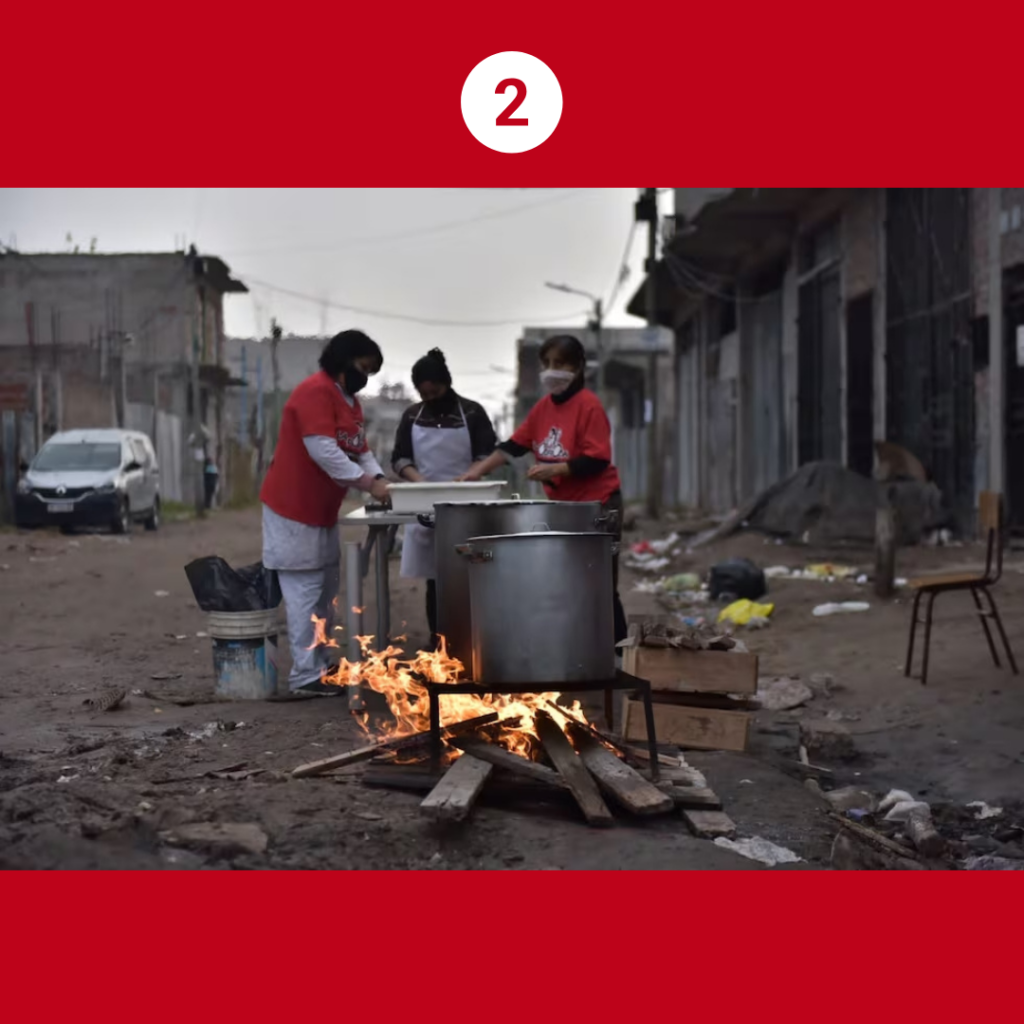
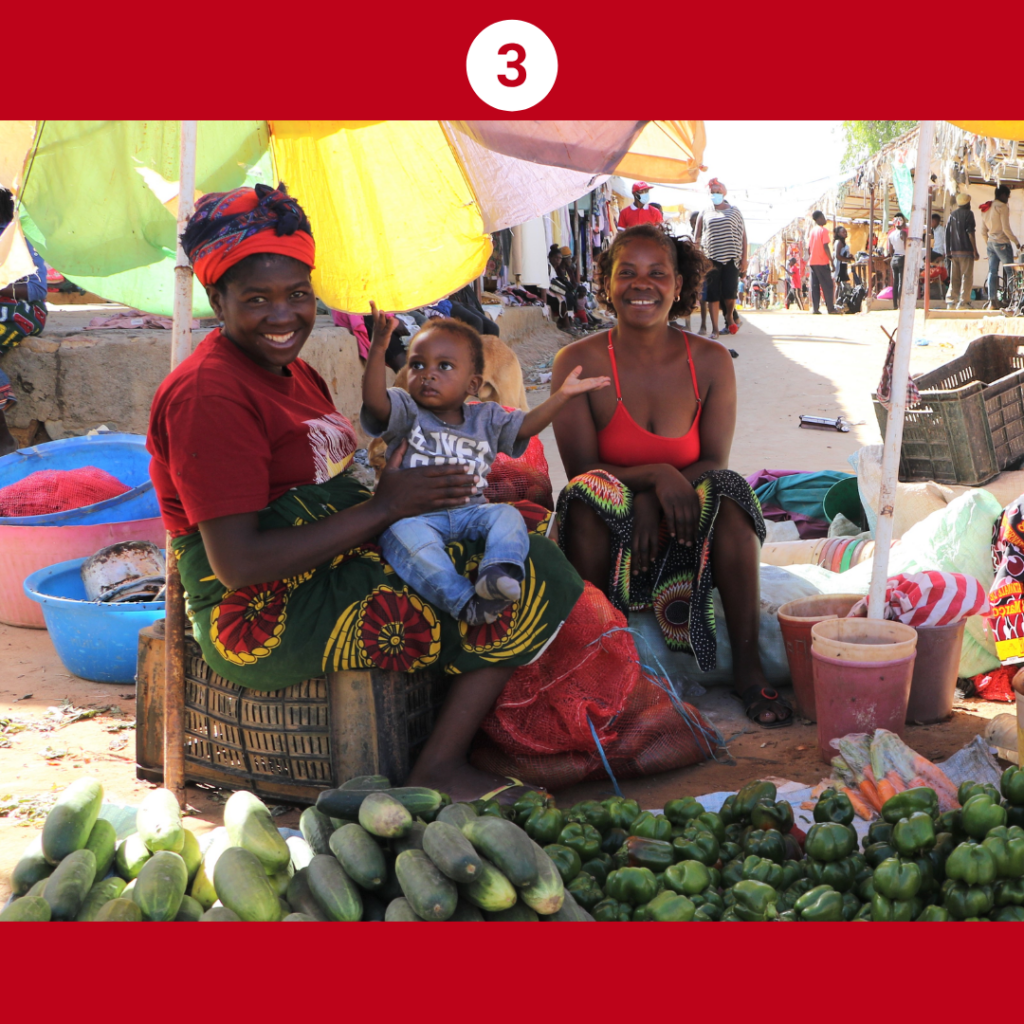
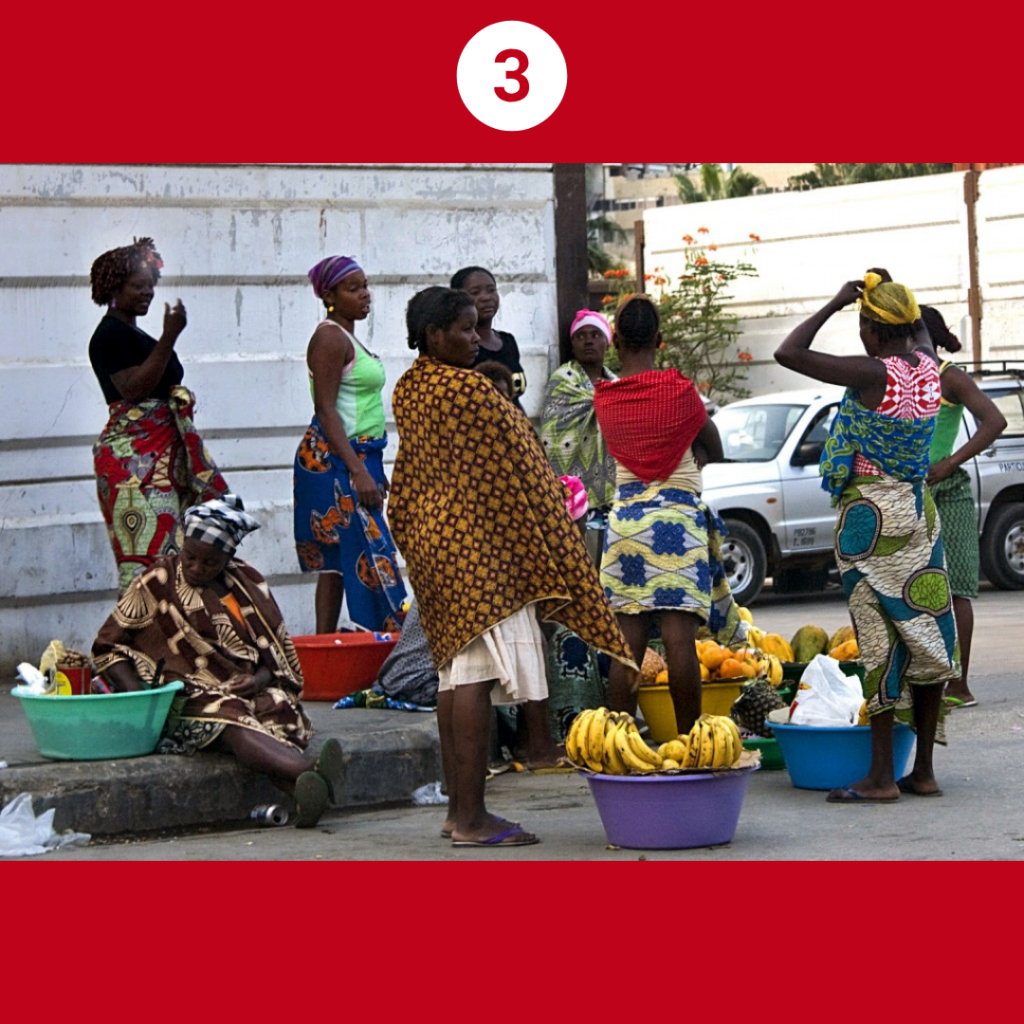
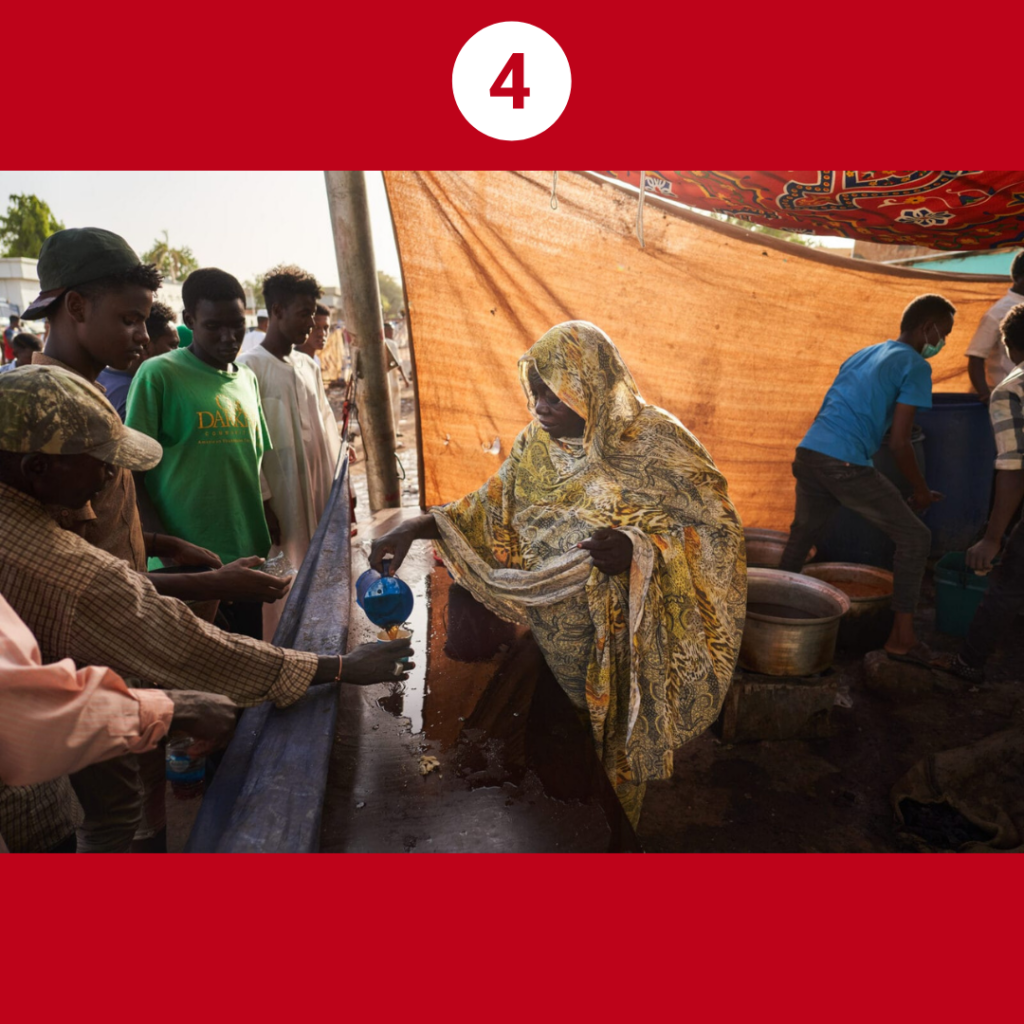
Women workers are incorporated into global supply chains as cheap, disciplined labour, often recruited from rural and working-class backgrounds into textiles, garments, and informal petty production, where subcontracting enables their exploitation for low wages. Employers rely on gendered and classed expectations of compliance, alongside the material pressure to survive, to suppress resistance and negotiation for better labour conditions.
Resource descriptions:
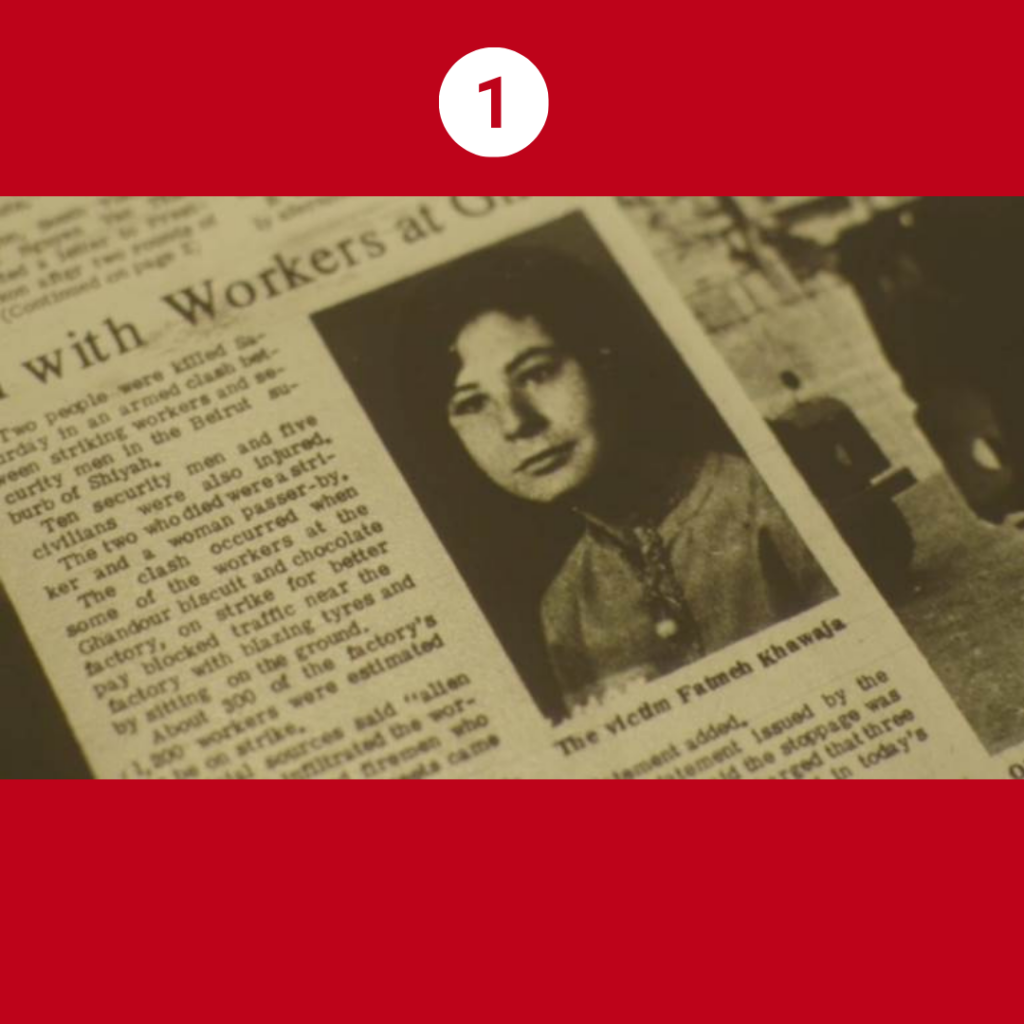
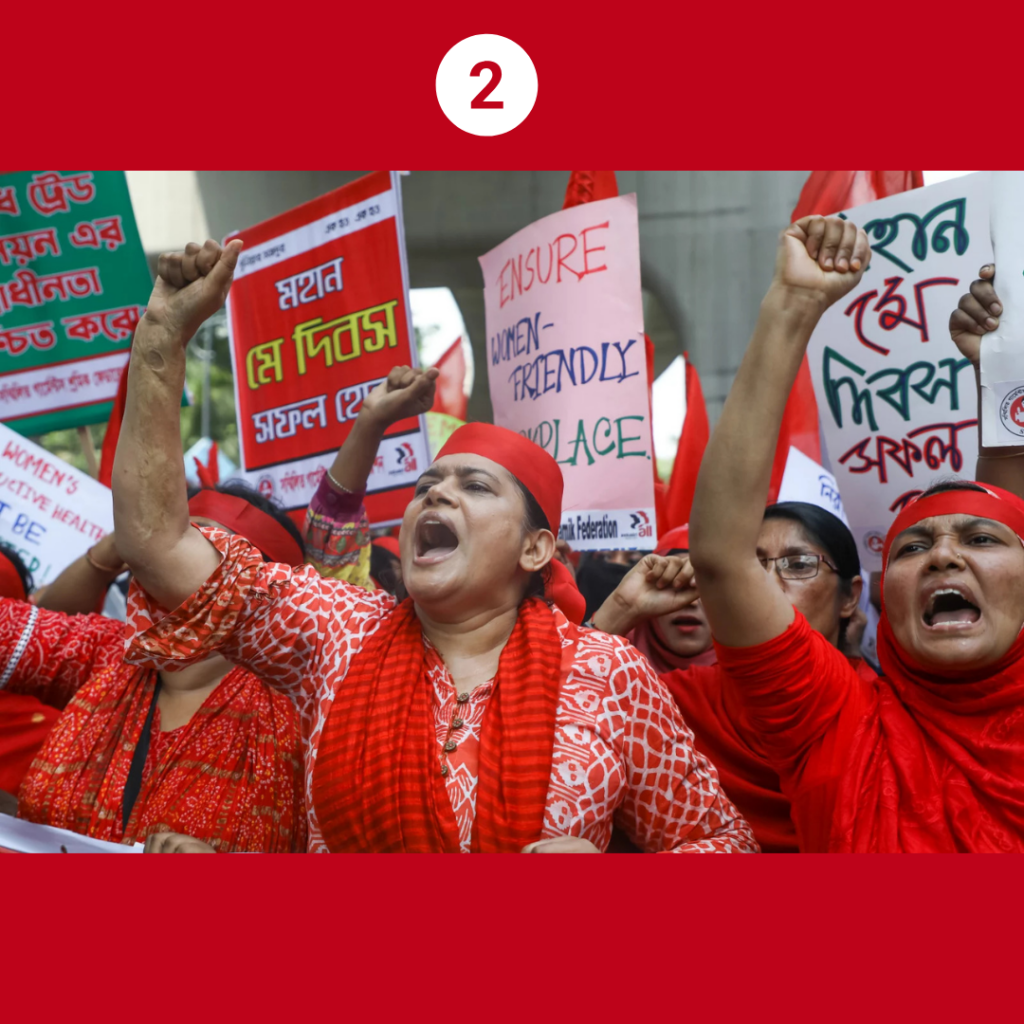
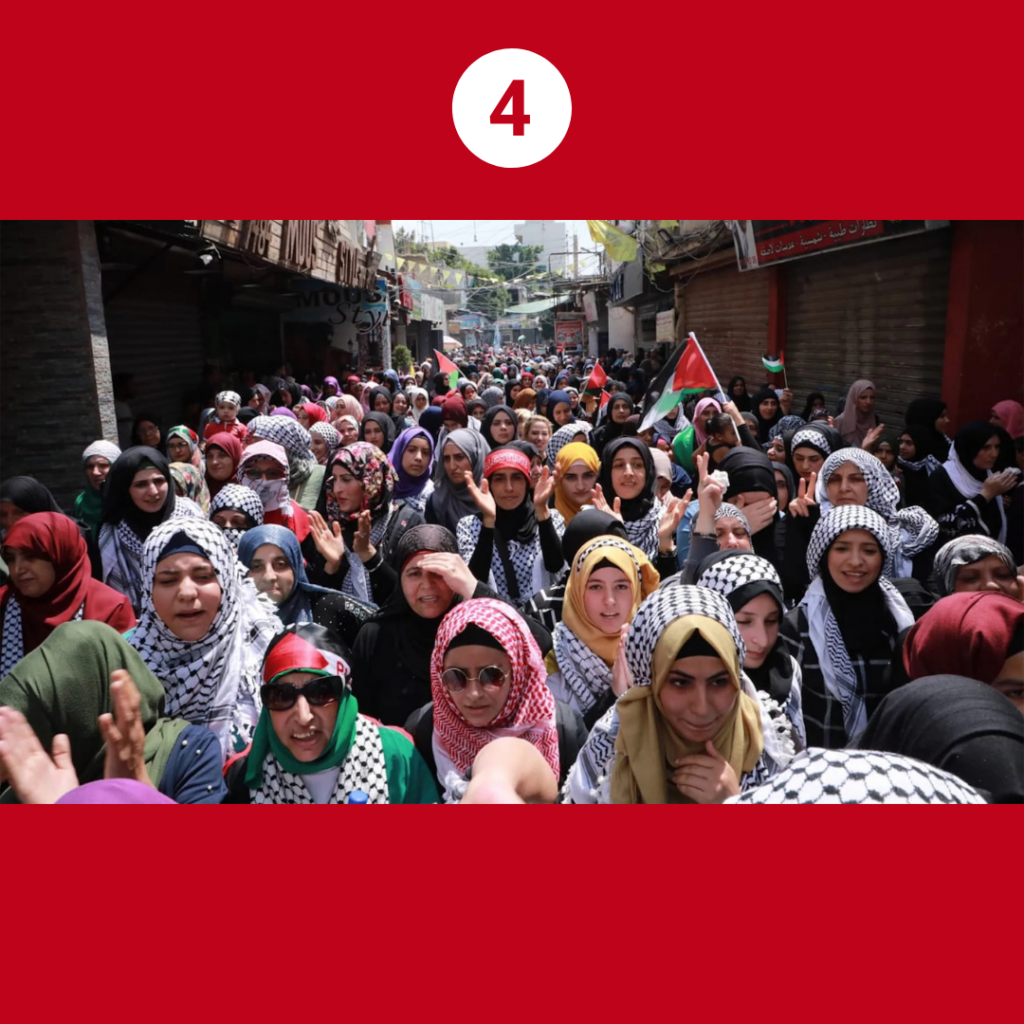

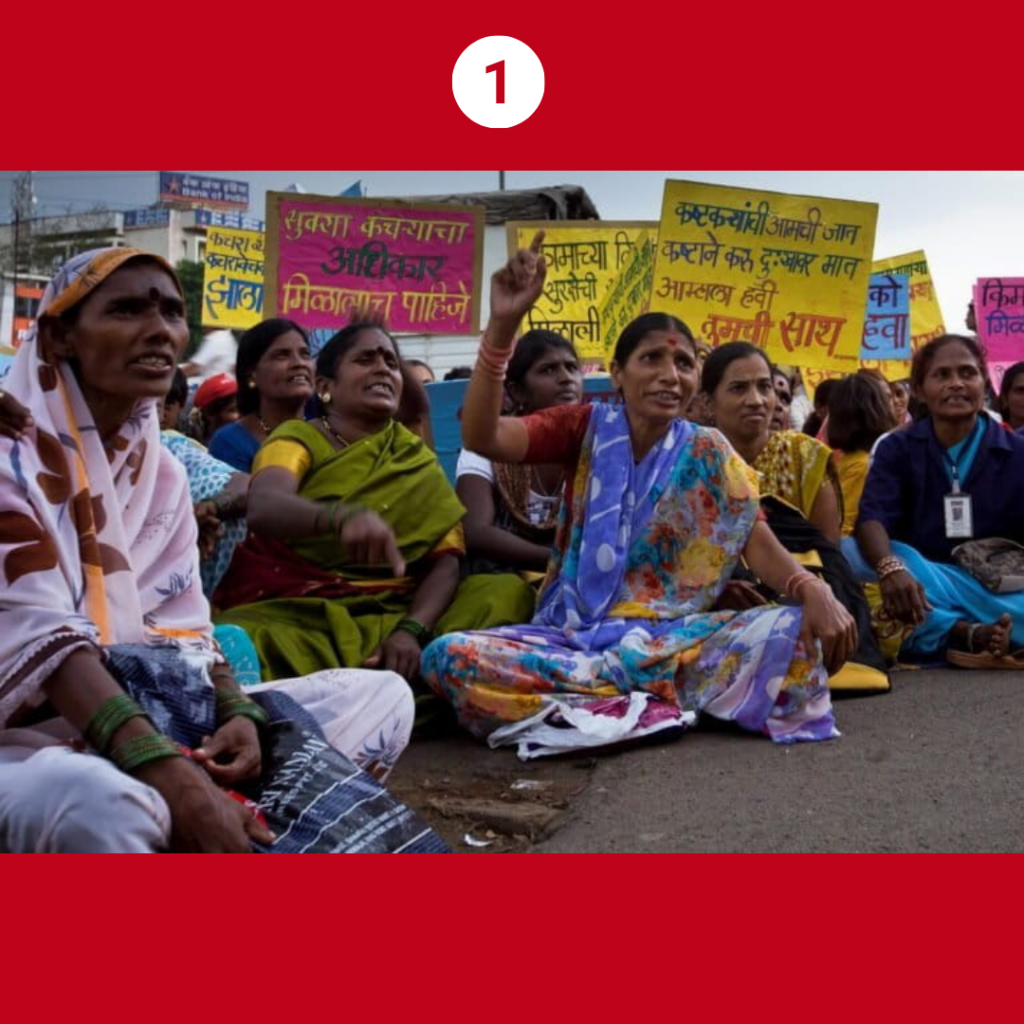
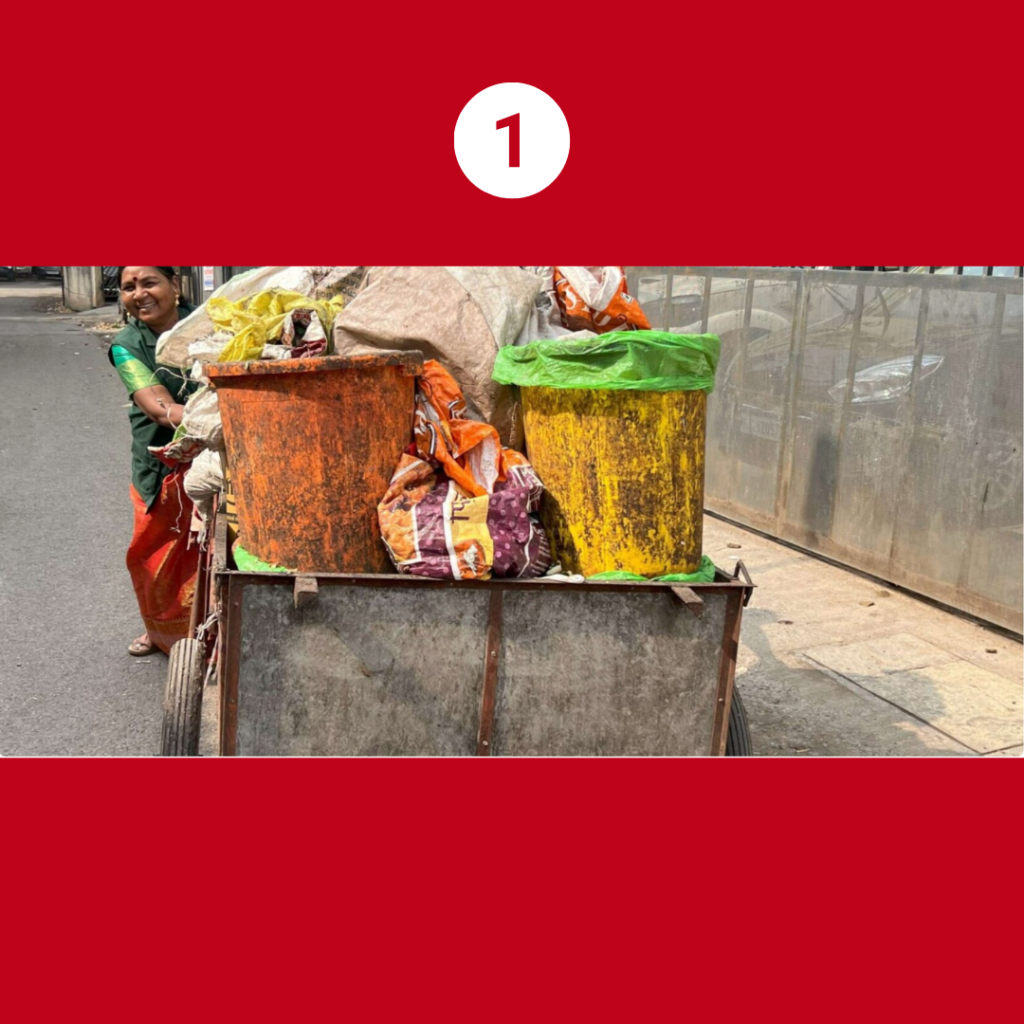
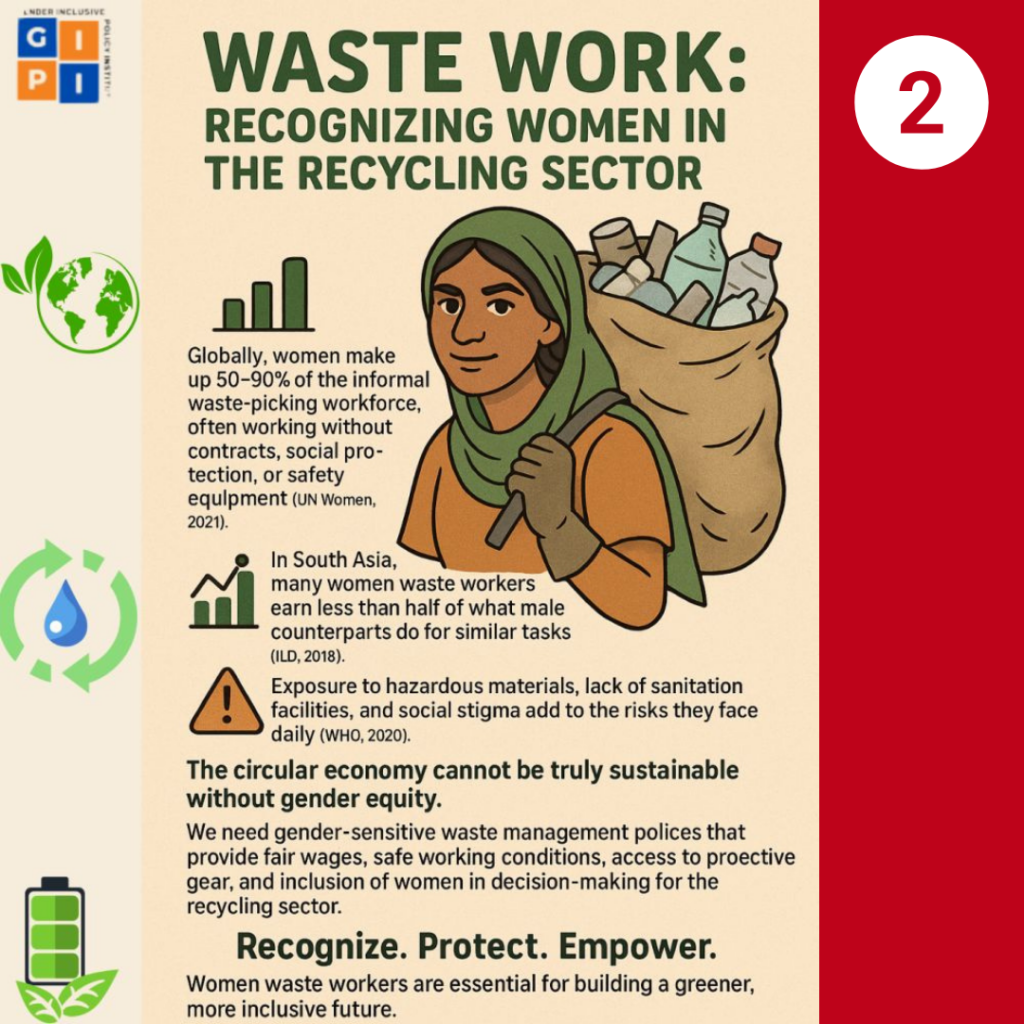
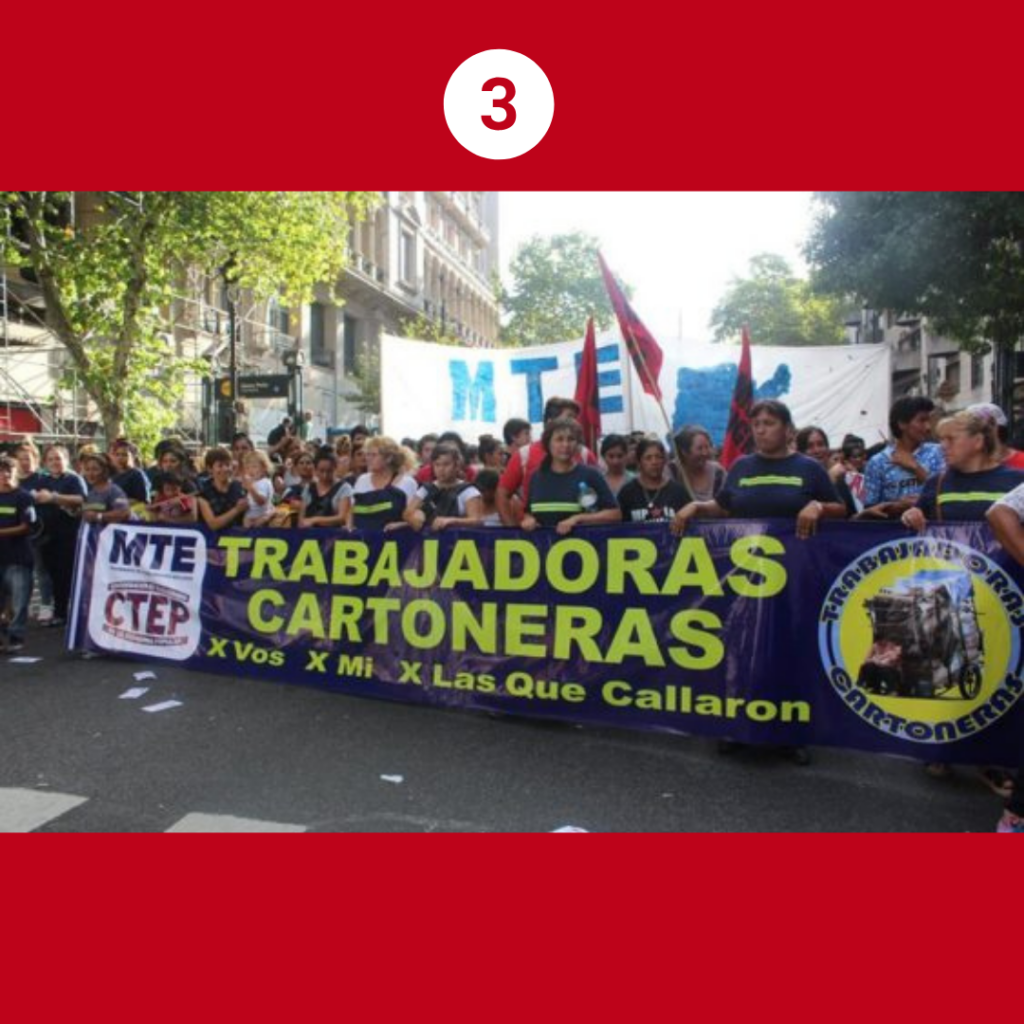
Sanitation and waste workers sustain the infrastructures of public health and urban life through the collection, sorting, recycling, and disposal of waste. This labour is gendered, racialised, and in some regions caste-marked, as women, especially from marginalised communities, are concentrated in the most hazardous, informal, and stigmatised roles, often without adequate protection, fair wages, or recognition. From manual scavenging to waste picking, they navigate routine neglect and violence. Despite this, women sanitation workers have organised collectively to demand dignity, safety, and the right to live and work beyond conditions of disposability.
Resource descriptions:
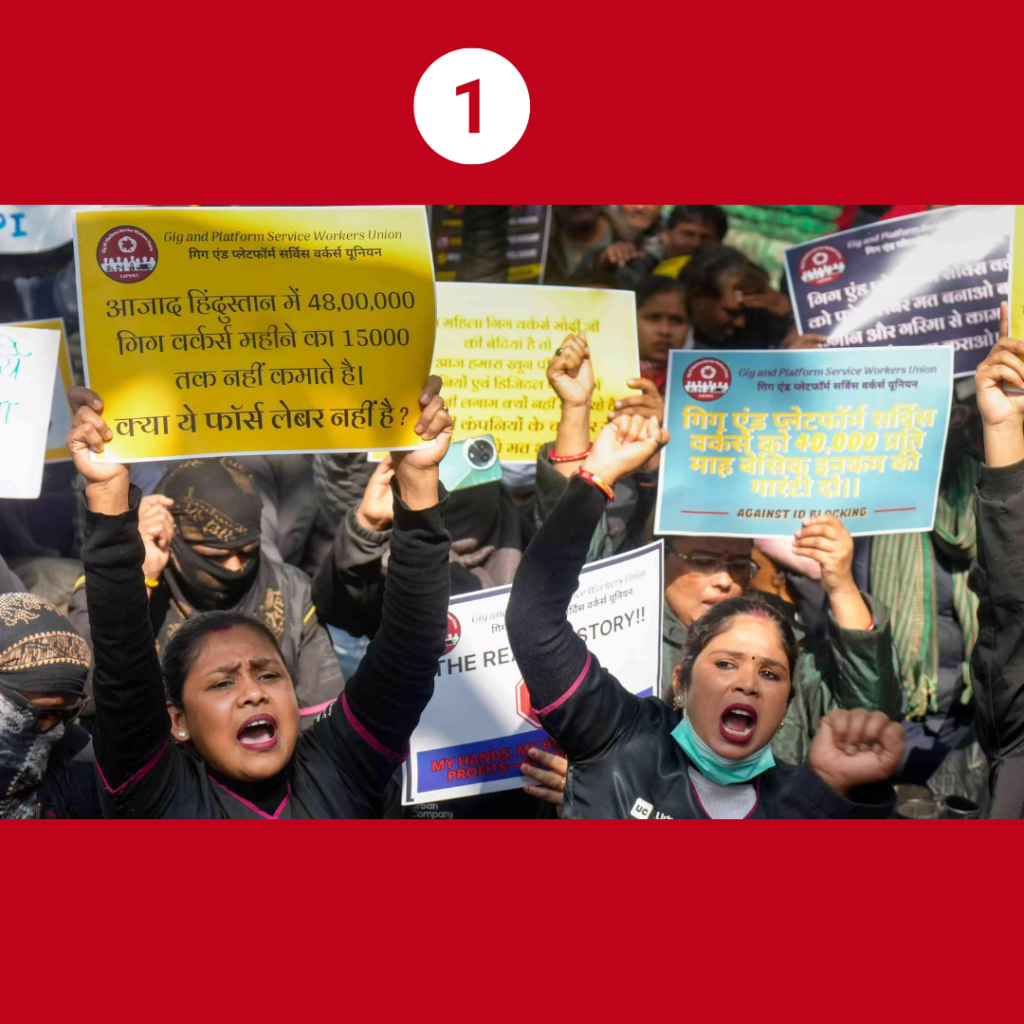
Gig workers sell labour and services through short-term, on-demand, and freelance arrangements, mediated by apps and platforms that classify them as independent contractors rather than employees. This structure transfers all risk onto workers while companies retain control over pay, access to opportunities, and working conditions. The gig economy reproduces existing gendered inequalities, pushing women into lower-paid, insecure, and feminised forms of work. It repackages precarity as "flexibility" and worker surveillance as competitive algorithmic efficiency.
Resource descriptions:
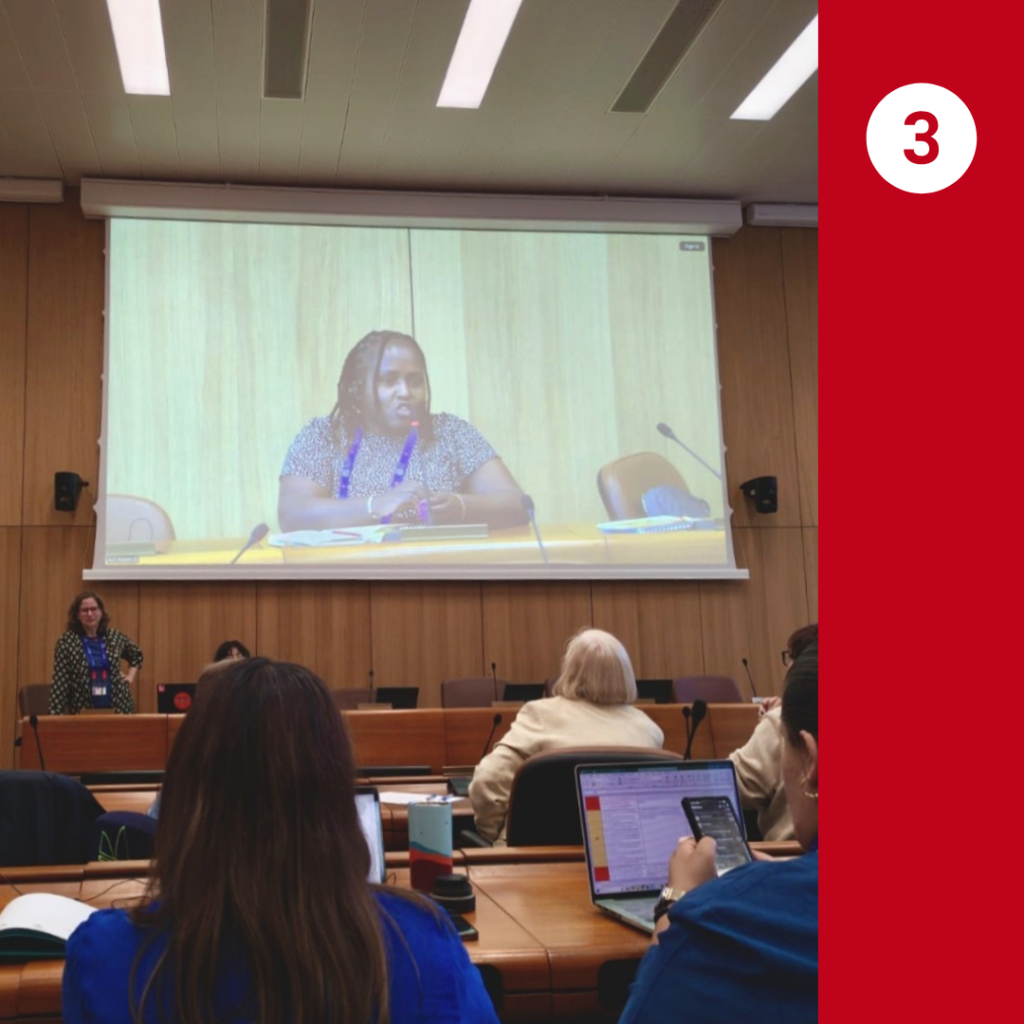
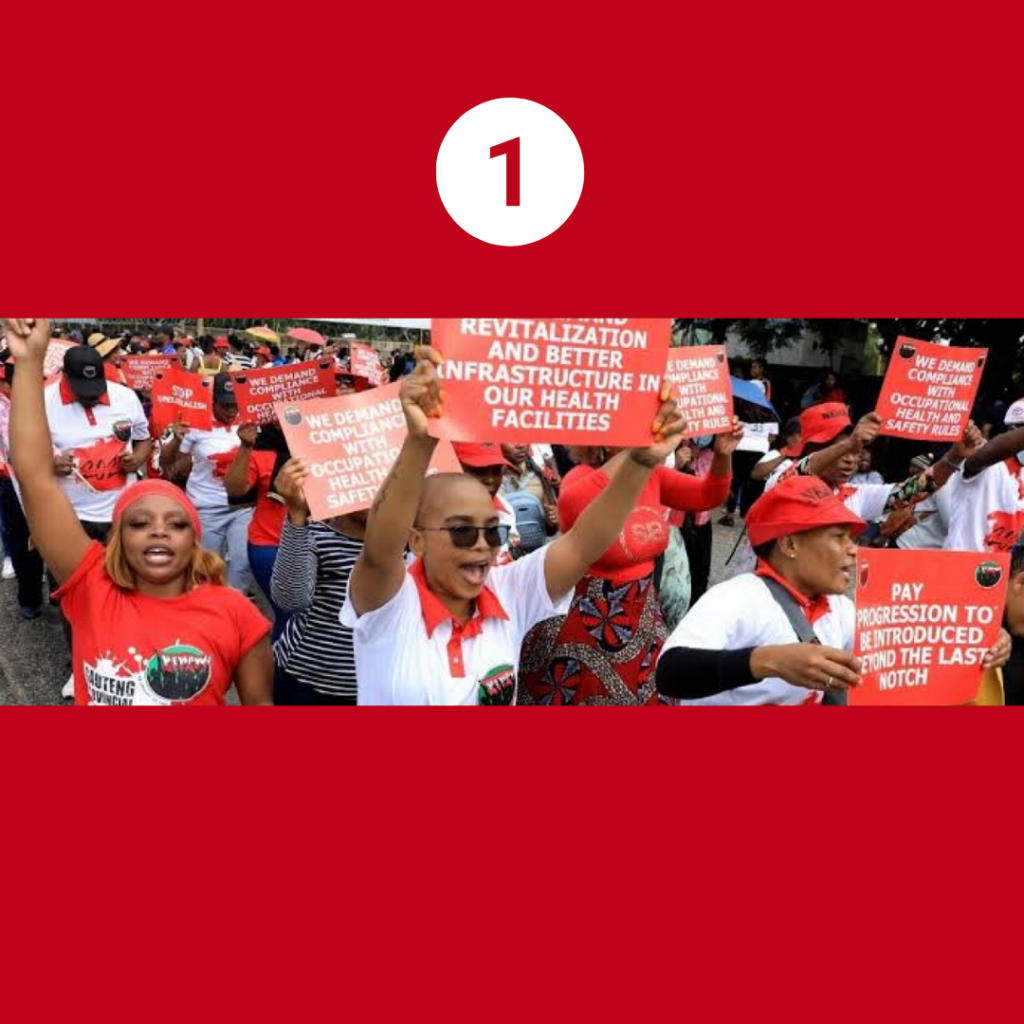
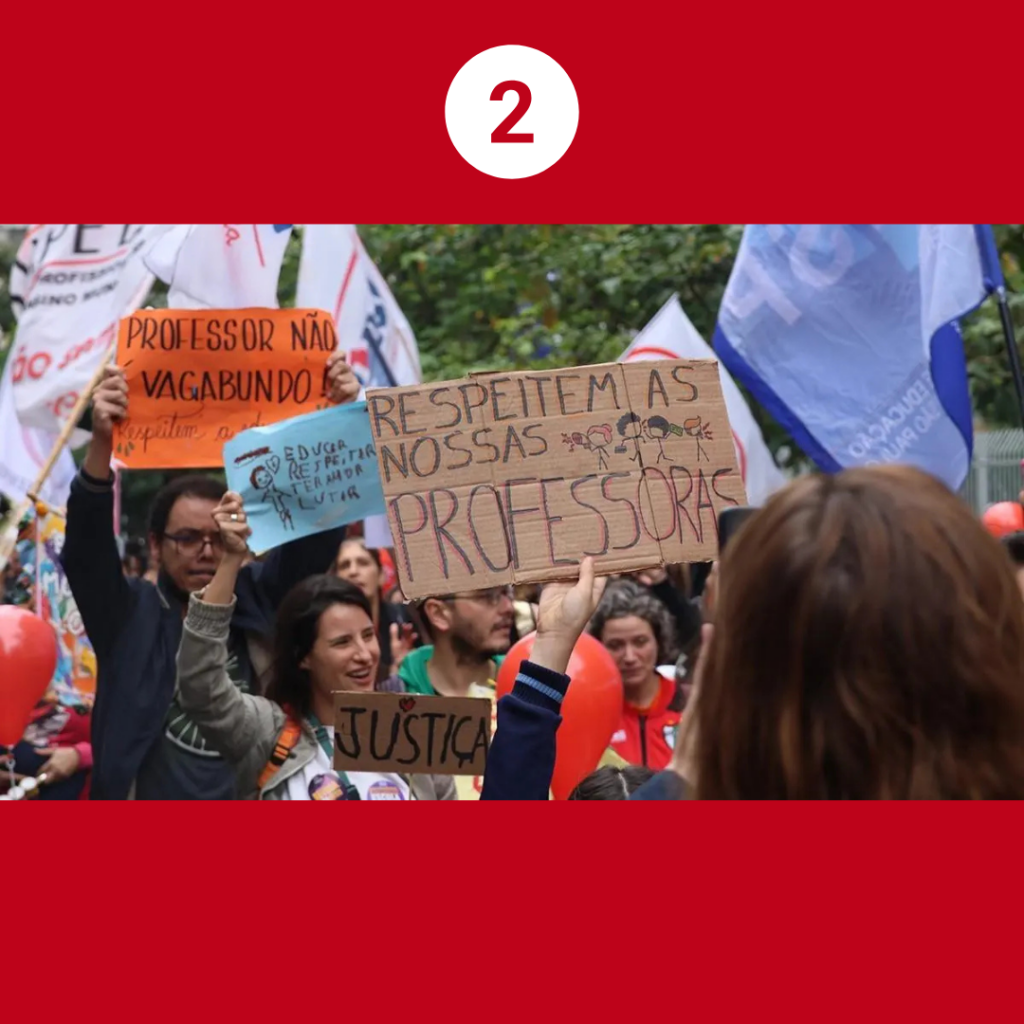
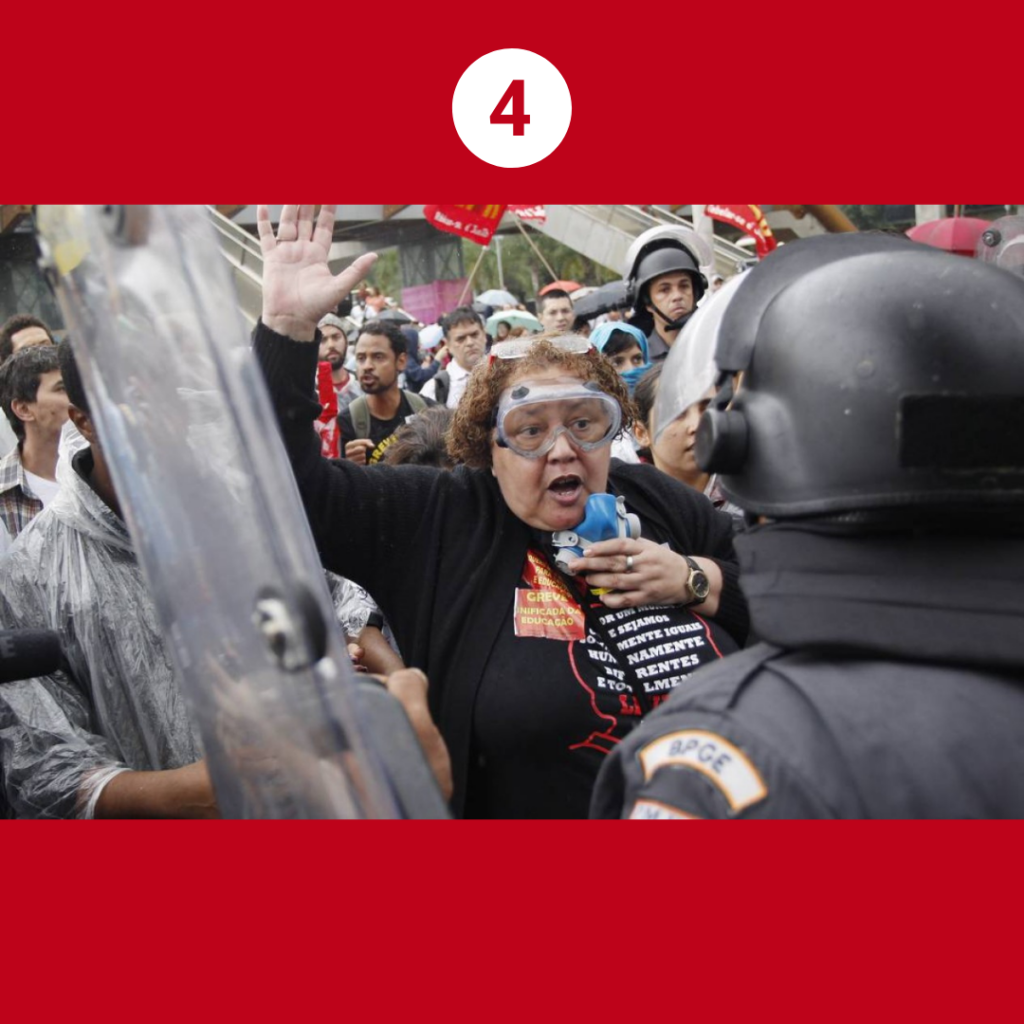
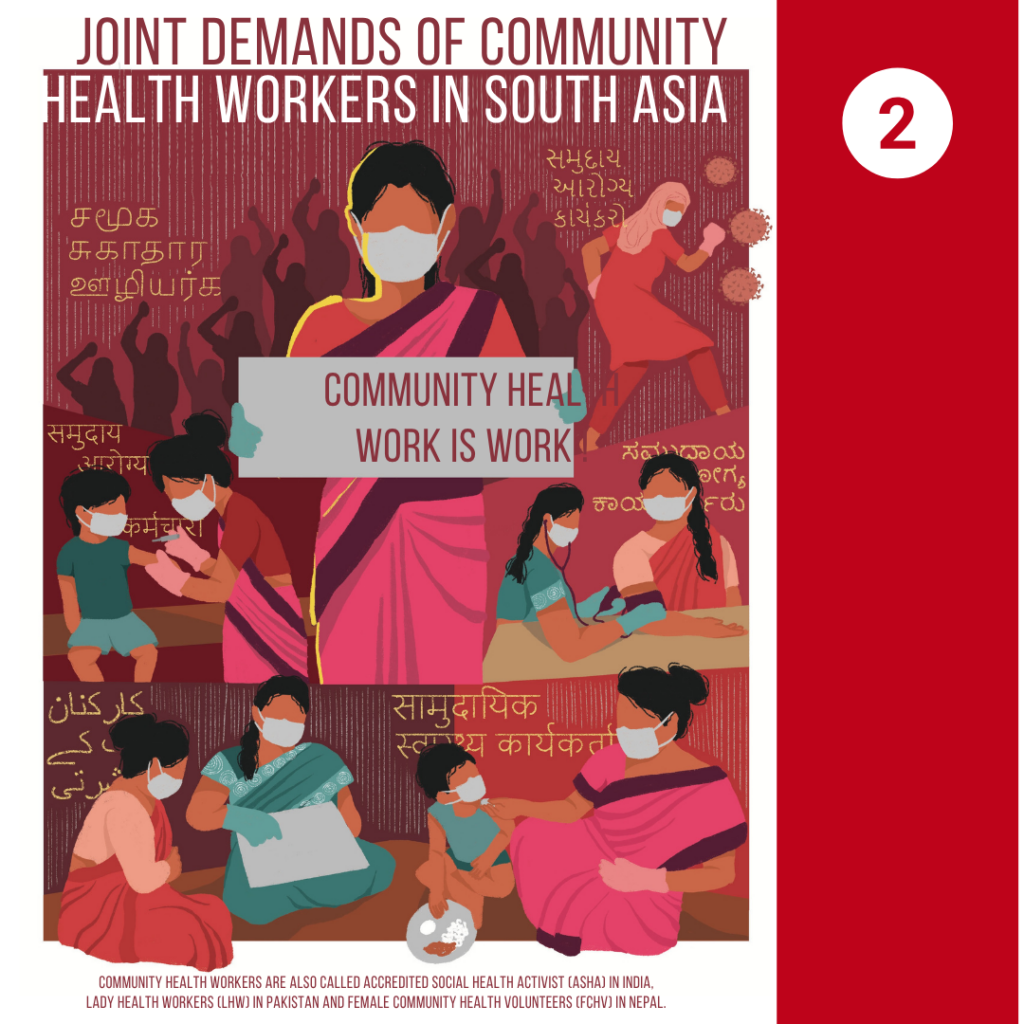
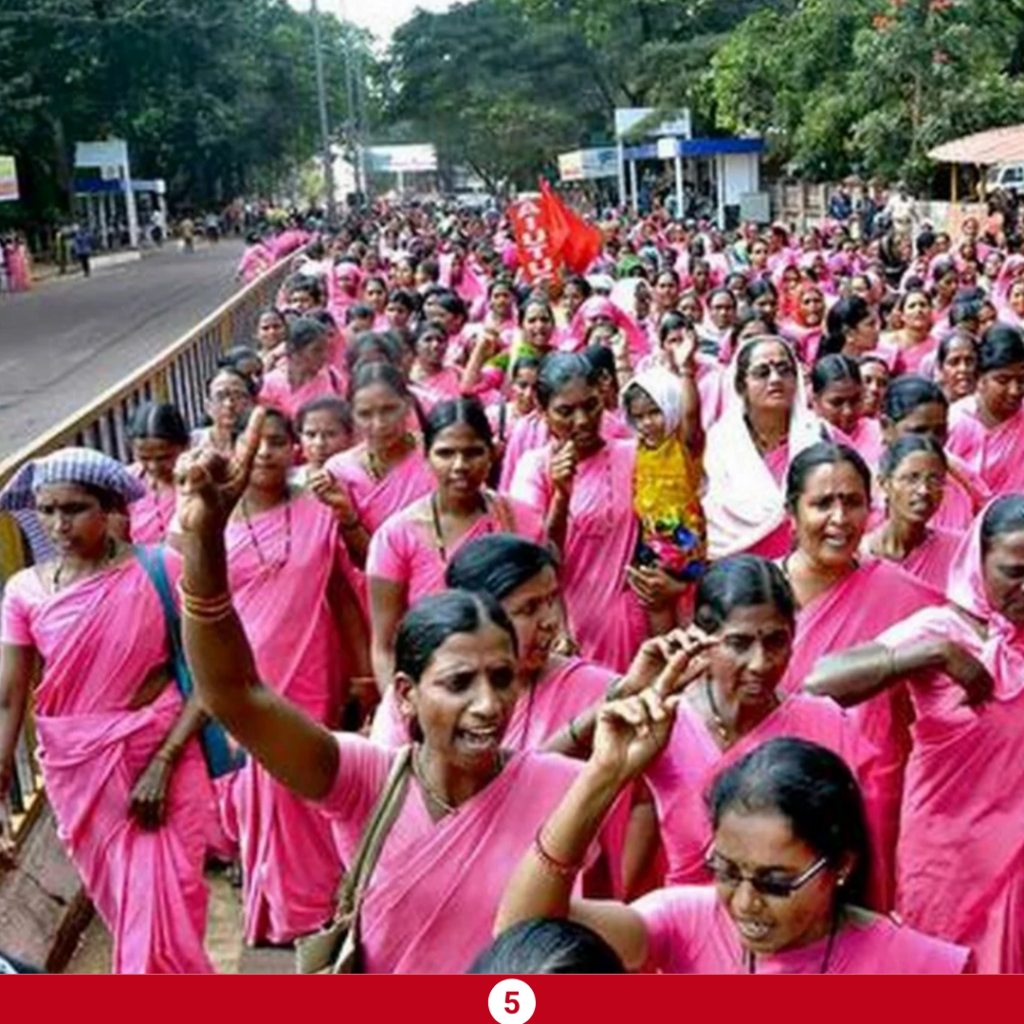
Public sector workers are employed in public services and state-funded industries, such as healthcare, education, administration, and social services. Women are disproportionately represented in lower levels of these sectors with the concentration of care-related roles. It is also a key site of struggle: austerity policies and public spending cuts directly drive job losses, wage freezes, privatisation, deregulation of labour, and intensified workloads.
Resource descriptions: